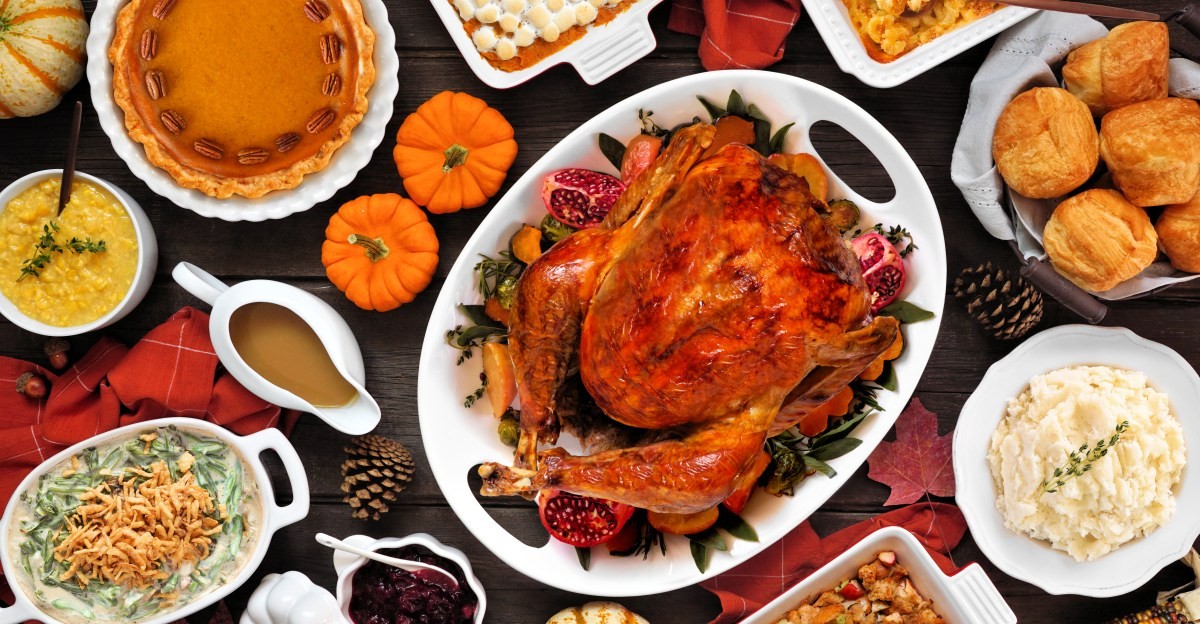
Thanksgiving is a holiday deeply rooted in tradition, but for many, that tradition includes a post-dinner struggle against overeating and gastrointestinal discomfort. Dr. Trisha Pasricha, a gastroenterologist at Harvard Medical School, explains why this happens and how to avoid it—from chewing carefully to strategically building your plate. The goal isn’t to deprive yourself, but to navigate the feast with a bit of awareness.
The Science Behind the Suffering
The classic Thanksgiving misery often stems from eating too quickly and overloading the digestive system. “People come in with food stuck in their throats,” Pasricha explains, “so we end up doing endoscopies to help get some of that food out.” This illustrates a simple point: slow down and chew thoroughly. The body needs roughly 20 minutes to register fullness, meaning rapid consumption often leads to overeating before the brain catches up.
Pre-Meal Strategies for Success
The best approach isn’t starvation, but controlled pacing. Instead of saving up all day to gorge, Pasricha suggests grazing on appetizers earlier. This prevents the extreme hunger that drives overeating. The concept of a “turkey trot” – a pre-dinner workout – also has merit. Exercise primes the digestive system and releases endorphins that can counteract the stress of family gatherings.
Plate Composition: A Tactical Approach
If avoiding discomfort is the goal, prioritize vegetables and protein first. Filling half your plate with these will help you feel full sooner and regulate blood sugar. Save the richer sides—mac and cheese, sweet potatoes—for last, treating them as part of a measured dessert experience. The key is recognizing that the body craves sensory variety; if the entire meal is savory, a sweet finish becomes irresistible.
The Role of Alcohol and Post-Meal Habits
Alcohol slows digestion, compounding the effects of a large meal. Consuming alcohol before eating sets you up for sluggishness. Instead, wait until after you’ve begun digesting. Similarly, resist the urge to lie down immediately. Sitting upright allows for more efficient gas expulsion, while a short walk (10–15 minutes) can accelerate digestion.
Thanksgiving: A Social Ritual Worth Preserving
Despite the potential for discomfort, Pasricha emphasizes the importance of the holiday itself. Studies show that shared meals boost happiness and longevity, counteracting modern disconnection. The goal isn’t to eliminate indulgence, but to make small adjustments that prevent the dreaded food coma and allow you to enjoy the social benefits of Thanksgiving.
“Thanksgiving is one time where we all do [gather for a meal] really consistently. So I don’t want to break Thanksgiving at all. I just want people to not feel sick and gassy afterwards.”