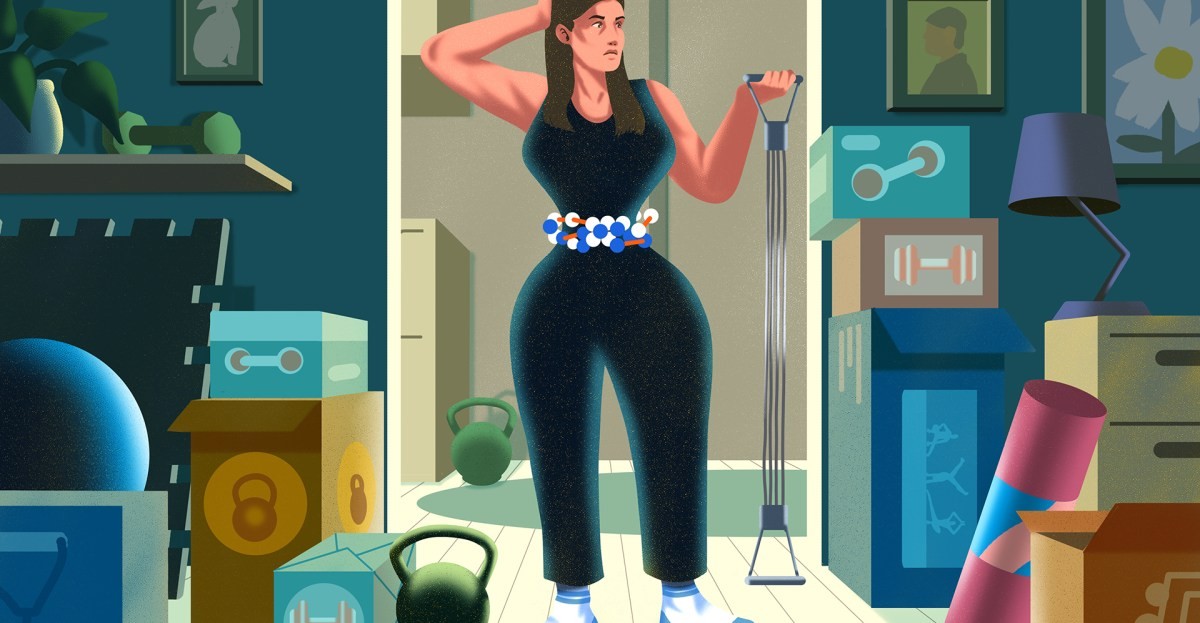
Ажіотаж навколо таких препаратів, як Ozempic і Vegovi, незаперечний. Від підтримки знаменитостей (Серена Вільямс тепер є обличчям кампанії GLP-1) до вибухових продажів, ці препарати змінюють підхід американців до втрати ваги. Але за швидкими результатами криється зростаюче занепокоєння: значна втрата м’язів і слабкість. Хоча їх хвалять як легкий вихід, ці ліки не є чарівною таблеткою; вони розкривають глибшу правду про здоров’я та компроміси, на які люди йдуть.
Спокуса “легкої кнопки”
Десятиліттями люди шукали швидких рішень, щоб схуднути. Препарати GLP-1, які пригнічують апетит і сповільнюють травлення, дають безпрецедентні результати. Пацієнти повідомляють про втрату в середньому 10% або більше маси тіла. Однак експерти попереджають, що покладатися лише на ліки ігнорує фундаментальну потребу в дієті та фізичних вправах. Як прямо сказав доктор Роберт Люстіг, «американці завжди хочуть довбану таблетку». Ці ліки можуть бути необхідними, але їх недостатньо.
Втрата м’язів: реальна проблема, яка зростає
Пацієнти відчувають тривожні побічні ефекти. Форуми Reddit переповнені користувачами, які повідомляють про втрату сил, труднощі підйому сходами та загальне відчуття слабкості. Один важкоатлет, який приймав Vegovi, скаржився, що почувався «тремтливим і млявим», незважаючи на споживання 100 грамів білка на день. Проблема не лише естетична; це функціонально. Втрата м’язової маси погіршує фізичну працездатність і підвищує ризики для здоров’я, особливо у літніх людей. Падіння, які вже є основною причиною смерті літніх людей, стають ще небезпечнішими, коли м’язова сила знижується.
Чому це відбувається: нестача енергії та багато іншого
У втраті м’язів винні не самі ліки, а скоріше зміна способу життя, яку вони викликають. Дослідження показують, що знижене споживання калорій, поширений побічний ефект GLP-1, призводить до дефіциту енергії. Навіть якщо м’язова маса залишається стабільною, функціональна сила може різко впасти. Дослідження на мишах в Університеті штату Юта показали, що тварини втрачають силу, незважаючи на збереження незмінної м’язової маси, що свідчить про енергетичну складову функції м’язів.
Розплата: культурні зміни та зростаюча залежність
Популярність GLP-1 тільки зростає. Урядові переговори про ціни з фармацевтичними компаніями обіцяють більший доступ, включаючи покриття Medicare. Це розширення означає, що більше американців, у тому числі людей похилого віку, будуть піддаватися ризику втрати м’язової маси, якщо вони не нададуть пріоритет дієті та фізичним вправам. Чверть рецептів GLP-1 у 2024 році були виписані людям старше 65 років. Ілюзія простого рішення маскує складну реальність.
Що потрібно змінити: цілісний підхід
Щоб максимізувати переваги GLP-1 при мінімізації ризиків, потрібен комплексний підхід. Пацієнти повинні зобов’язатися довгостроково змінити дієту та виконувати ретельні фізичні вправи. Менші дози можуть допомогти зменшити втрату сил, але основна ідея залишається незмінною: ці ліки не є чарівними таблетками.
«Більше — не завжди краще», — попереджає Катсу Фунай, дослідник з Університету Юти. Уповільнення втрати ваги та визначення пріоритетів у харчуванні залишаються вирішальними, навіть за допомогою ліків.
Зрештою, підйом Ozempic змушує Америку переглянути свою культуру використання коротких шляхів. Ці ліки можуть бути революційними для схуднення, але вони настільки ж ефективні, як і зміни способу життя, які їх супроводжують. Ігнорування цієї реальності ставить під загрозу здоров’я та продовжує цикл пошуку легких рішень замість стійких.