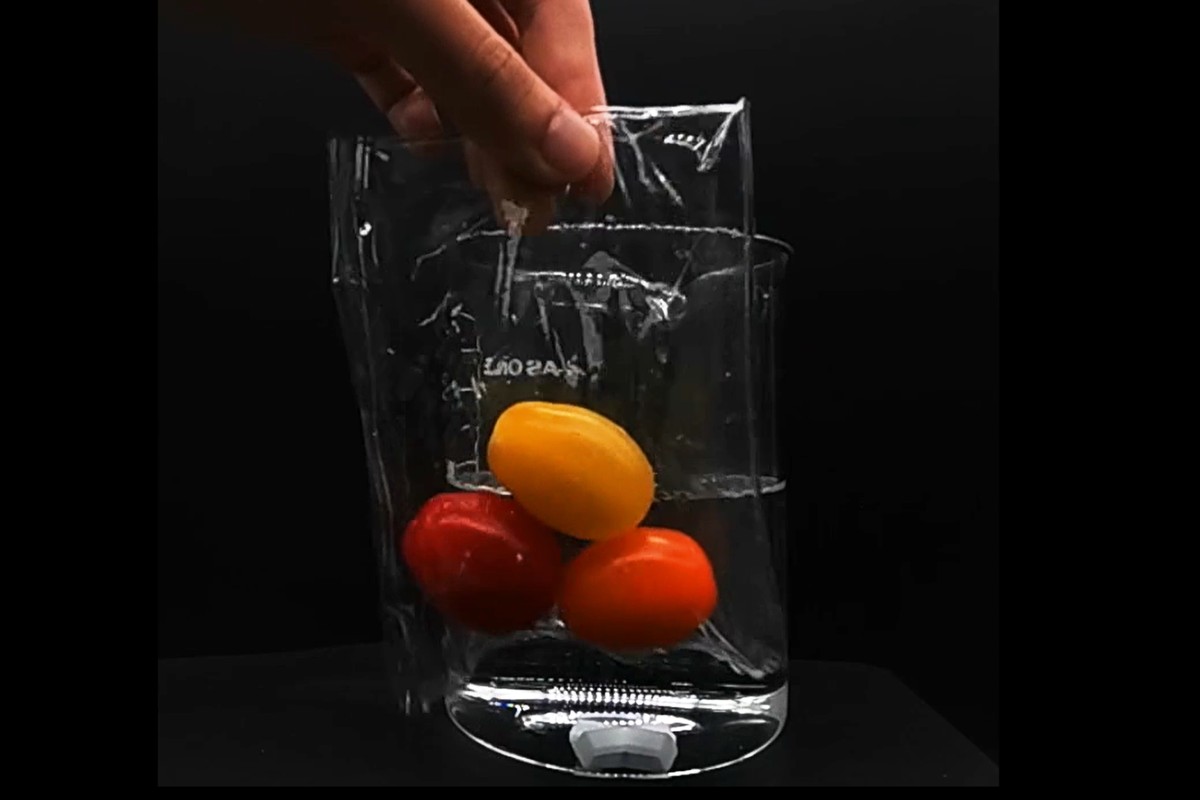
Researchers in Japan have developed a new plant-based plastic that completely breaks down in seawater – without leaving behind any microplastics. This breakthrough addresses a critical environmental problem, as microplastics now contaminate nearly every ecosystem on Earth.
The Problem with Current Plastics
Conventional plastics, derived from petroleum, persist for centuries in the environment. Even so-called “biodegradable” plastics often leave behind microscopic fragments that accumulate in the food chain and inside living organisms. The United Nations recognized this crisis in 2022 with a proposed Global Plastic Pollution Treaty, but negotiations stalled in 2025, leaving no binding agreement.
This failure underscores how urgently alternative solutions are needed. Activist groups like Greenpeace highlight the pervasive contamination: microplastics have been detected in human food, water, and even inside the human body.
How the New Plastic Works
The new material, dubbed carboxymethyl cellulose supramolecular plastic (CMCSP), is made from cellulose – the most abundant organic compound on Earth, produced by nature at a rate of one trillion tons annually. The research team led by Takuzo Aida at the Riken Center for Emergent Matter Science (CEMS) has engineered this natural substance into a plastic that maintains the strength and flexibility of traditional plastics, but dissolves completely in seawater and other natural environments.
This isn’t the first cellulose-based plastic, but it’s the first proven to degrade fully without leaving behind harmful microplastics. The team has also demonstrated that the material can be modified to match the properties of conventional plastics without sacrificing its biodegradability.
Real-World Implications
The study, published in the Journal of the American Chemical Society, confirms that the technology is moving beyond the conceptual stage. Researchers are now focused on scaling up production for practical applications.
“Nature produces about one trillion tons of cellulose every year. From this abundant natural substance, we have created a flexible yet tough plastic material that safely decomposes in the ocean,” said Professor Aida.
The invention could drastically reduce plastic pollution, protect ecosystems, and offer a sustainable alternative to fossil fuel-based plastics. The absence of a global treaty means innovation like this is even more crucial to protecting the planet.