The Middle East and North Africa (MENA) region continues to see rapid expansion in artificial intelligence (AI) investment, infrastructure, and applications. This digest summarizes major developments from late 2025, spanning corporate expansions, government initiatives, research breakthroughs, and early-stage deployments. These trends demonstrate a clear push for AI leadership, especially within the Gulf states and North Africa, with implications for global AI development.
Corporate Expansion & Infrastructure
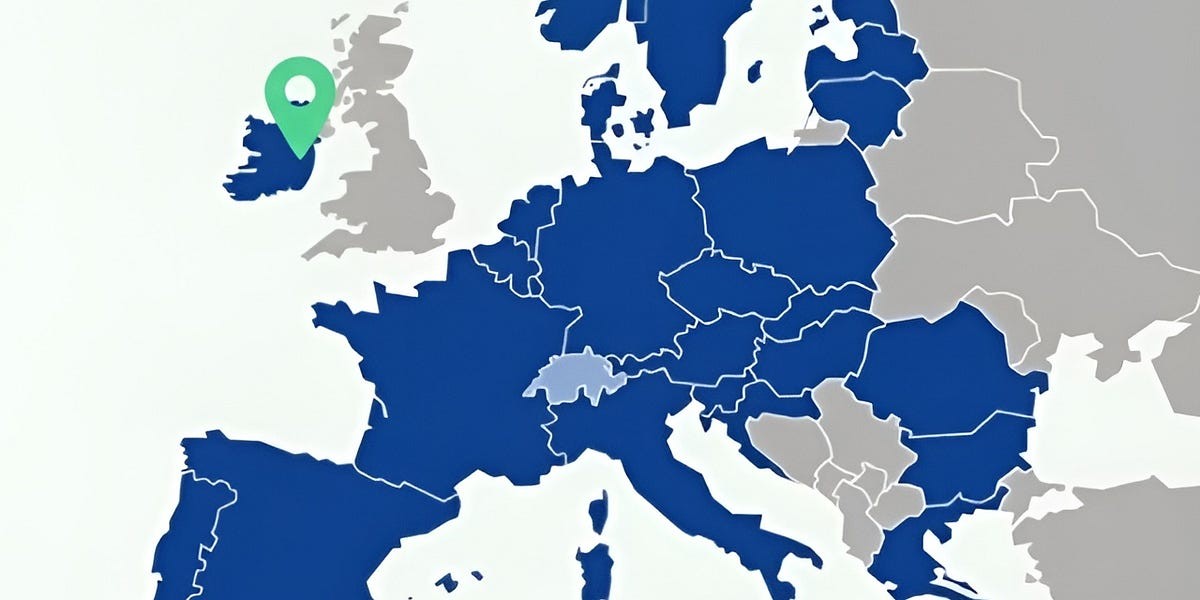
Core42, a leading AI and cloud provider, has established its European headquarters in Dublin, Ireland. This move solidifies the company’s presence across Europe, following deployments in France and Italy, and underscores the growing demand for sovereign AI infrastructure. Sovereign AI refers to the capability of nations to control their own data and AI systems, reducing reliance on foreign tech giants. The expansion is significant because it highlights the geopolitical importance of AI, with states actively seeking to secure their digital independence.
PureHealth, a prominent healthcare company in the UAE, has opened a state-of-the-art, AI-powered diagnostic laboratory in Abu Dhabi. This 70,000 square-foot facility boasts advanced automation and robotics, capable of processing over 30 million samples annually. The investment demonstrates how AI is being integrated into critical infrastructure, with potential for significant improvements in healthcare efficiency and accuracy.
Research & Development
G42 has released Nanda 87B, an open-weight large language model (LLM) trained on over 65 billion Hindi tokens. This model targets the 600 million Hindi speakers in India, providing translation and summarization capabilities. The launch highlights the importance of multilingual AI models, especially in regions with diverse linguistic landscapes. This trend suggests that AI development is no longer limited to English-centric systems but is increasingly inclusive of other languages.
Mohamed bin Zayed University of Artificial Intelligence (MBZUAI) has launched its first PhD program in Human-Computer Interaction (HCI), starting in Fall 2026. This initiative signifies the growing academic focus on aligning AI with human needs, a crucial step for responsible AI development.
Startup Ecosystems & Investment
Several nations are actively supporting AI startups:
- Morocco has committed 1.3 billion dirhams to support 3,000 startups by 2030, focusing on venture building, VC financing, and responsible AI.
- Presight, a big data analytics firm, has opened applications for the second cohort of its AI startup accelerator, building on a successful first cohort that generated over 70 qualified leads.
- Saudi Arabia has selected US wireless innovator Movandi for its NTDP Relocate initiative, anchoring advanced RF technologies locally.
- ADQ and the Gates Foundation have partnered to invest $40 million in scaling responsible AI and education technology across sub-Saharan Africa.
These investments underscore a broader regional strategy to foster innovation and economic diversification through AI.
Governance & Policy
Saudi Arabia is leading efforts in AI governance, with the Saudi Data and Artificial Intelligence Authority (SDAIA) activating the Riyadh Charter on AI across 53 member states of the Islamic world. This initiative promotes ethical AI governance and capacity building. Meanwhile, Dubai Customs is updating its strategic plan to integrate AI into decision-making, reinforcing its position as a global trade hub.
Emerging Applications
Dubai has launched a robotaxi pilot program on Uber, deploying autonomous vehicles in select areas. This initiative supports the city’s Self-Driving Transport Strategy and signals a shift towards wider adoption of autonomous transportation. The pilot program offers free rides to encourage public acceptance.
Libya has launched its first AI Youth Club, providing training in AI, data analysis, and digital ethics. This grassroots approach to AI education highlights the growing recognition of AI skills as essential for future economic competitiveness.
Conclusion:
The MENA region is aggressively pursuing AI leadership through strategic investments, research, and policy initiatives. The focus on sovereign AI, multilingual models, and ethical governance demonstrates a proactive approach to shaping the future of AI. These developments position the region as a key player in the global AI landscape, with implications for economic growth, technological advancement, and geopolitical influence.