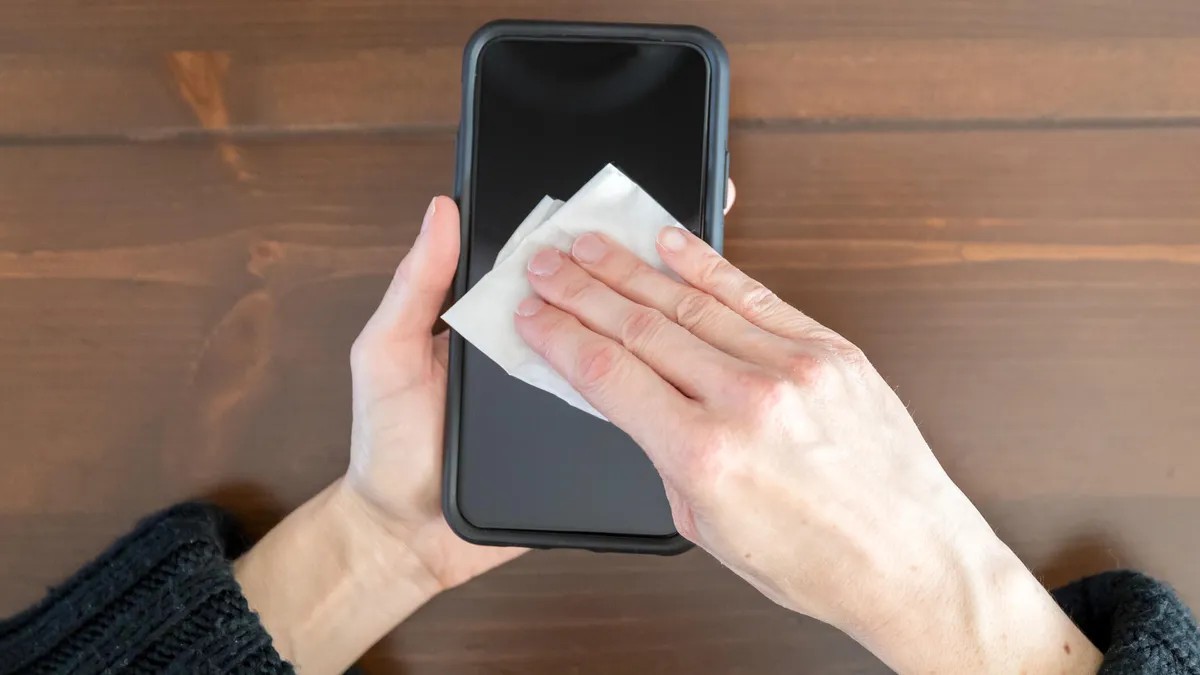
Your smartphone is likely the dirtiest object you handle daily. It accompanies you everywhere – from public transit and gym floors to the kitchen counter and even your bed. Despite constant contact, most people rarely clean it, allowing a build-up of bacteria that can surpass levels found on toilet seats. The reality is, your phone is a portable germ magnet, and failing to disinfect it regularly poses a hygiene risk.
Why This Matters: The Hidden Spread of Bacteria
The sheer frequency of phone use combined with its exposure to various surfaces makes it a prime vector for spreading germs. This isn’t just about personal hygiene; it’s about contributing to the wider transmission of bacteria, particularly in shared spaces. Failing to clean your device isn’t just unhygienic—it’s a common, yet overlooked, public health issue.
Safe Cleaning Methods: What Works and What Doesn’t
The Federal Communications Commission (FCC) recommends daily phone cleaning, but harsh chemicals can damage your screen. Here’s a breakdown of effective and safe methods:
- Disinfectant Wipes: Use wipes containing 70% isopropyl alcohol. This is the safest option for killing germs without stripping protective coatings. Apple, AT&T, and Samsung now all recommend this approach.
- Microfiber Cloths: For daily cleaning, a slightly dampened microfiber cloth is ideal for fingerprints and minor smudges. Avoid direct water application.
- UV Sanitizers: Products like PhoneSoap use UV light to eliminate 99.99% of germs and bacteria, offering a hands-free cleaning solution.
Avoid these:
- Rubbing Alcohol (straight): Damages screen coatings.
- Homemade Alcohol Mixes: Incorrect concentrations can cause harm.
- Harsh Cleaners: Window or kitchen cleaners strip protective layers.
- Paper Towels: Shred and scratch screens.
- Hand Sanitizer: Fragrances and ethyl alcohol are harmful.
Tackling Specific Messes: Beyond Basic Disinfection
Beyond daily grime, your phone may require targeted cleaning:
- Fingerprints: Microfiber cloths are best. Distilled water can be used sparingly.
- Sand and Debris: Scotch tape effectively removes particles from ports and crevices. Toothpicks or small vacuum attachments can address hard-to-reach areas.
- Makeup Residue: Alcohol-free screen cleaners like Whoosh are safe for screens. Avoid makeup remover, which contains damaging chemicals.
Waterproof Phones: A Note of Caution
Even waterproof phones (IP67 and above) should be cleaned with a damp cloth, not submerged in water. While designed to withstand accidental exposure, repeated submersion can damage ports and charging functionality. Water resistance is for accidents, not routine cleaning.
The Bottom Line: Hygiene is Key
Your phone is a breeding ground for germs. Consistent, safe cleaning is crucial to prevent the spread of bacteria and protect your device. By following these guidelines, you can maintain a cleaner phone and reduce your exposure to harmful microbes. Ignoring this simple step isn’t just careless—it’s a missed opportunity to improve your personal hygiene.