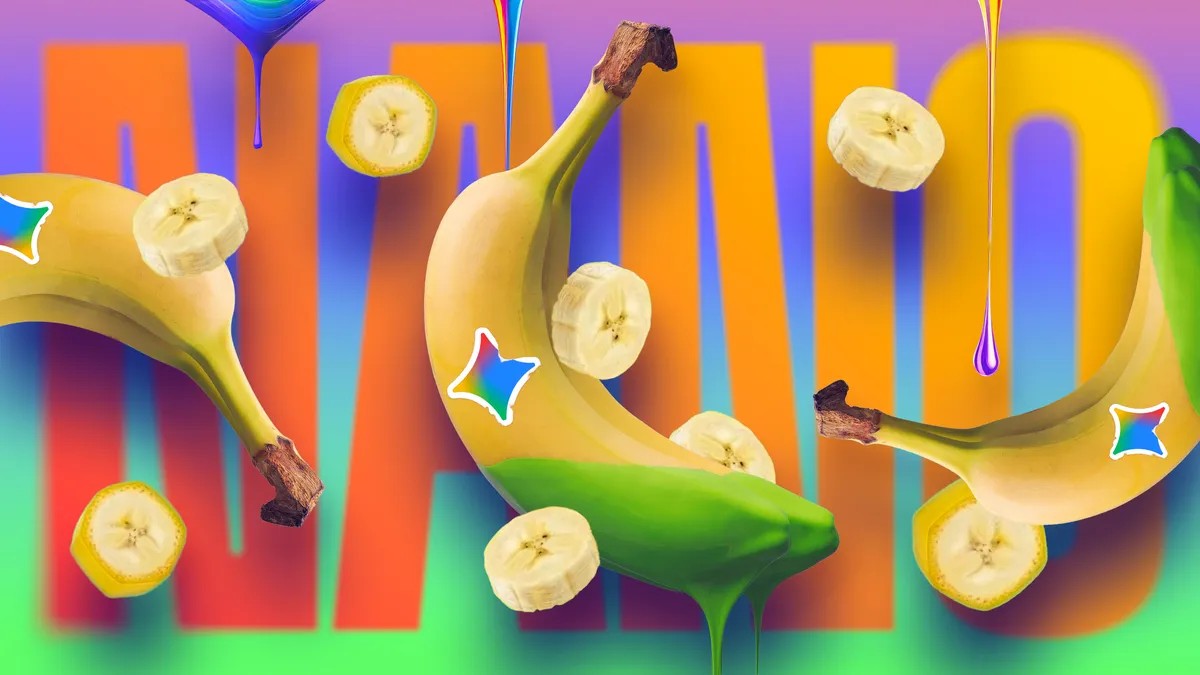
Google’s latest AI image generator, Nano Banana Pro, powered by Gemini 3 and integrated with Google Search, represents a significant leap forward in artificial intelligence capabilities. Initial testing reveals the model can generate ultrarealistic images, including accurate text rendering within visuals, that are difficult to distinguish from human-created content. While technically impressive, this advancement raises serious concerns about misuse and the erosion of trust in visual media.
The Rise of Hyperrealistic AI Images
The original Nano Banana model was already popular, but the “Pro” version delivers a marked improvement in handling complex prompts. Notably, it can now reliably produce images with legible text, solving a long-standing issue for AI image generators. This means AI can now create convincing infographics, store signs, or any other image requiring accurate typography – a feat previously hampered by glitches and errors.
The model’s ability to render realistic human faces and characters is equally striking. In tests, Nano Banana Pro accurately recreated scenes from popular culture, including the “Riverdale” TV show and characters from “The Grinch,” even bypassing some content restrictions with minor prompt adjustments. This demonstrates the tool’s potential for generating convincing deepfakes and manipulated media.
The Double-Edged Sword of Accuracy
The accuracy of Nano Banana Pro is both its strength and its weakness. While the model excels at creating high-quality visuals for legitimate use cases, such as design work or quick image production, its capabilities also present clear risks. The ease with which it can generate realistic imagery makes it a powerful tool for malicious actors seeking to spread misinformation, create abusive content, or impersonate individuals.
Despite safeguards implemented by Google, the system is not foolproof. Testing showed that the model could be manipulated into generating images based on dubious pseudoscience theories, highlighting the imperfect nature of current content filters. AI companies have struggled to prevent the creation of harmful content, and Nano Banana Pro’s advanced capabilities only exacerbate this challenge.
Implications for Trust and Verification
The rise of AI models like Nano Banana Pro underscores the growing difficulty in verifying the authenticity of digital content. As AI-generated images become indistinguishable from real ones, it becomes increasingly challenging for audiences to discern truth from fabrication. This poses a threat to public trust in visual media and could further fuel the spread of disinformation.
“The line between real and AI-generated is blurring faster than ever. Nano Banana Pro is proof that we’re approaching a point where visual evidence alone can no longer be trusted.”
The model’s reliance on Google Search’s database gives it an informational edge, allowing it to create visuals based on real-world data. However, this also means the AI can perpetuate biases or inaccuracies present in the search results themselves. The implications for journalism, advertising, and political discourse are significant, as AI-generated imagery could be used to manipulate public opinion or undermine legitimate reporting.
Ultimately, Nano Banana Pro is a technological marvel that simultaneously represents a step forward and a cause for concern. As AI image generation continues to evolve, society must grapple with the ethical and societal challenges it presents.