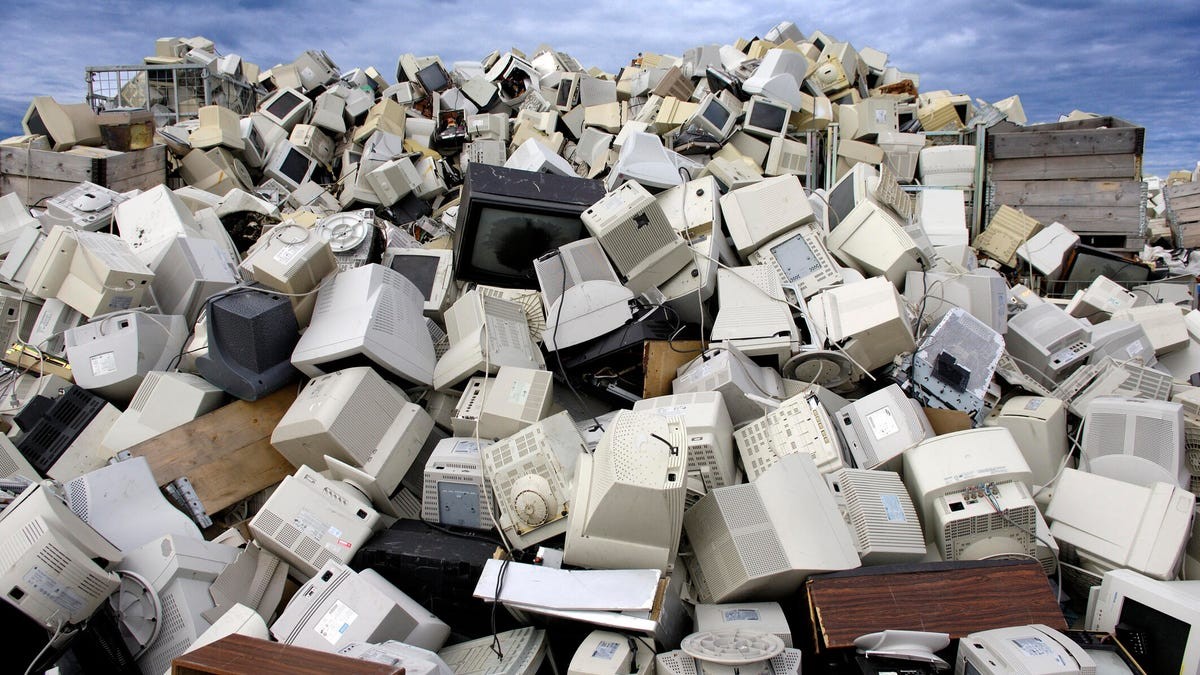
Most people accumulate outdated electronics – laptops, printers, and other devices – that clutter homes and pose both security and environmental risks. In 2026, ignoring this e-waste isn’t just a storage problem; it’s irresponsible. Fortunately, recycling isn’t as difficult as many believe.
Convenient Drop-Off Options
Major retailers have become de facto e-waste collection points. Best Buy, Staples, and Office Depot all offer free drop-off services for computers, printers, and other electronics, regardless of where you purchased them. Some stores even incentivize recycling with discounts on new products or trade-in credits. This makes disposal easier and ensures valuable materials are reclaimed instead of ending up in landfills.
Data Security First
Before recycling, prioritize data protection. A simple drag-and-drop to the trash isn’t enough. Use a factory reset or dedicated drive-scrubbing software to securely wipe your personal information. Delaying this step could expose sensitive data to others.
Retailer-Specific Policies
Each retailer has unique rules:
- Apple: Offers free recycling only with the purchase of new Apple hardware. Third-party services like Gazelle provide an alternative by buying and recycling old MacBooks.
- Best Buy: Accepts up to three household electronics per day, with a higher limit of five laptops. Monitor recycling fees vary by state. Mail-in options are available but not free (boxes from $23–$30).
- Office Depot/OfficeMax: Offers trade-in programs for store credit or free recycling if the device has no value. Recycling boxes are available for purchase ($8.39–$28).
- Staples: Accepts most electronics for free drop-off, even if not originally purchased there. The retailer also provides free in-home battery recycling boxes.
Alternative Recycling Centers
If major retailers aren’t accessible, use online tools like Earth911 and the Consumer Technology Association’s directory to find local recycling centers. These resources help locate facilities that accept specific electronics near you.
Responsible e-waste disposal isn’t just about convenience; it’s about protecting your data, conserving resources, and minimizing environmental harm. By following these simple steps, you can ensure old tech is handled safely and sustainably.