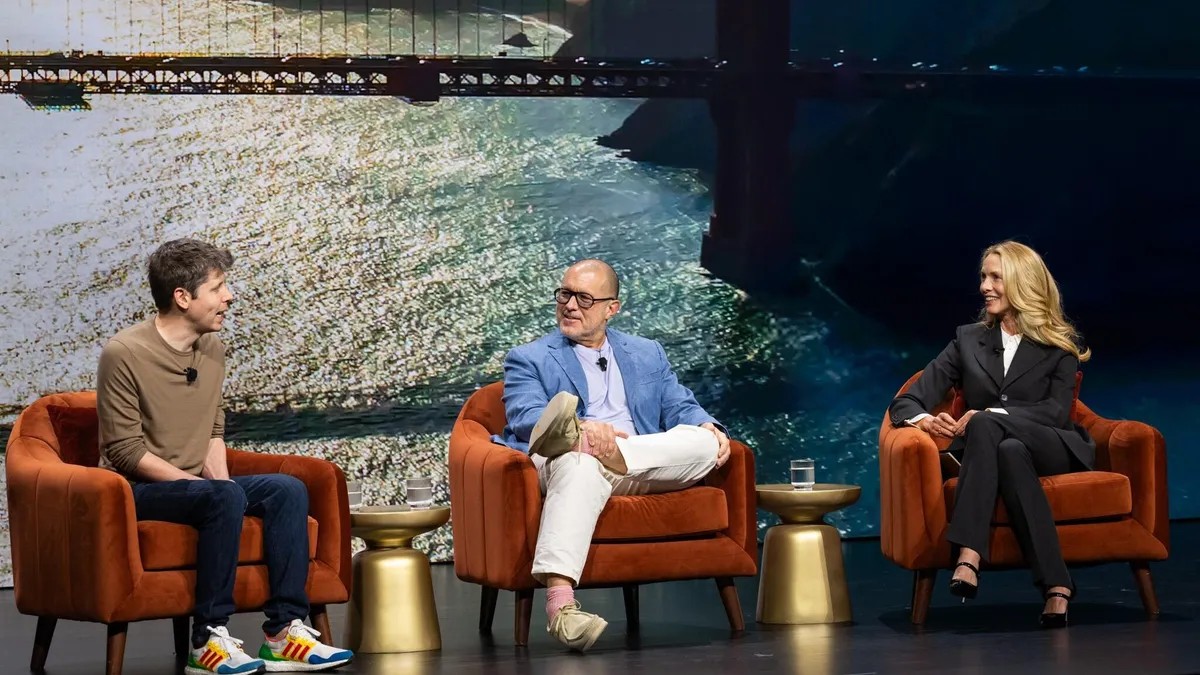
OpenAI CEO Sam Altman and former Apple design chief Jony Ive are collaborating on a new AI-powered hardware device – a screenless, portable assistant aiming for simplicity and personality. The pair revealed progress on a second prototype at a recent conference, suggesting a potential release within two years. This marks OpenAI’s first venture into hardware, leveraging Ive’s proven design expertise and OpenAI’s massive user base (ChatGPT has approximately 800 million weekly active users).
The Concept: Beyond the Screen
The device, currently unrevealed in detail, departs from conventional tech by intentionally omitting a screen. Instead, it relies on artificial intelligence to anticipate user needs and deliver information through other means – likely voice interaction or haptic feedback. The goal is to create a more intuitive and less intrusive experience than the constant stimulation of modern smartphones.
Why This Matters
The move into hardware is significant for OpenAI. While their software (ChatGPT, DALL-E) dominates the AI landscape, controlling the hardware ecosystem allows for deeper integration and potentially new revenue streams. Jony Ive’s involvement is key: his track record at Apple proves he knows how to create products people want to use, not just need. The device represents a potential shift away from screen-centric computing, responding to growing concerns about digital fatigue and the addictive nature of smartphones.
Design Philosophy: Calm and Playful
Altman and Ive emphasized a deliberate departure from the “noisy” and “unsettling” designs of contemporary tech. They envision a device that feels “peaceful,” “simple,” “beautiful,” and even “playful.” This suggests a focus on emotional connection, where the device feels less like a tool and more like a companion. The lack of a screen could be part of this strategy, reducing distractions and encouraging users to engage with the world around them rather than being locked into a digital interface.
What’s Next?
The prototype is reportedly “jaw-droppingly good” according to Altman, but concrete details remain scarce. The device is expected to be smartphone-sized and prioritize ease of use. The core challenge is making AI feel natural and non-intrusive, something that requires a seamless integration of hardware and software. The success of this project will depend on whether they can deliver a device that truly disappears into the background while still providing valuable assistance.
The upcoming device has the potential to redefine how people interact with technology, moving beyond the limitations of screens and interfaces. It remains to be seen if OpenAI and Ive can deliver on their vision, but the combination of technical prowess and design expertise suggests a product worth watching.