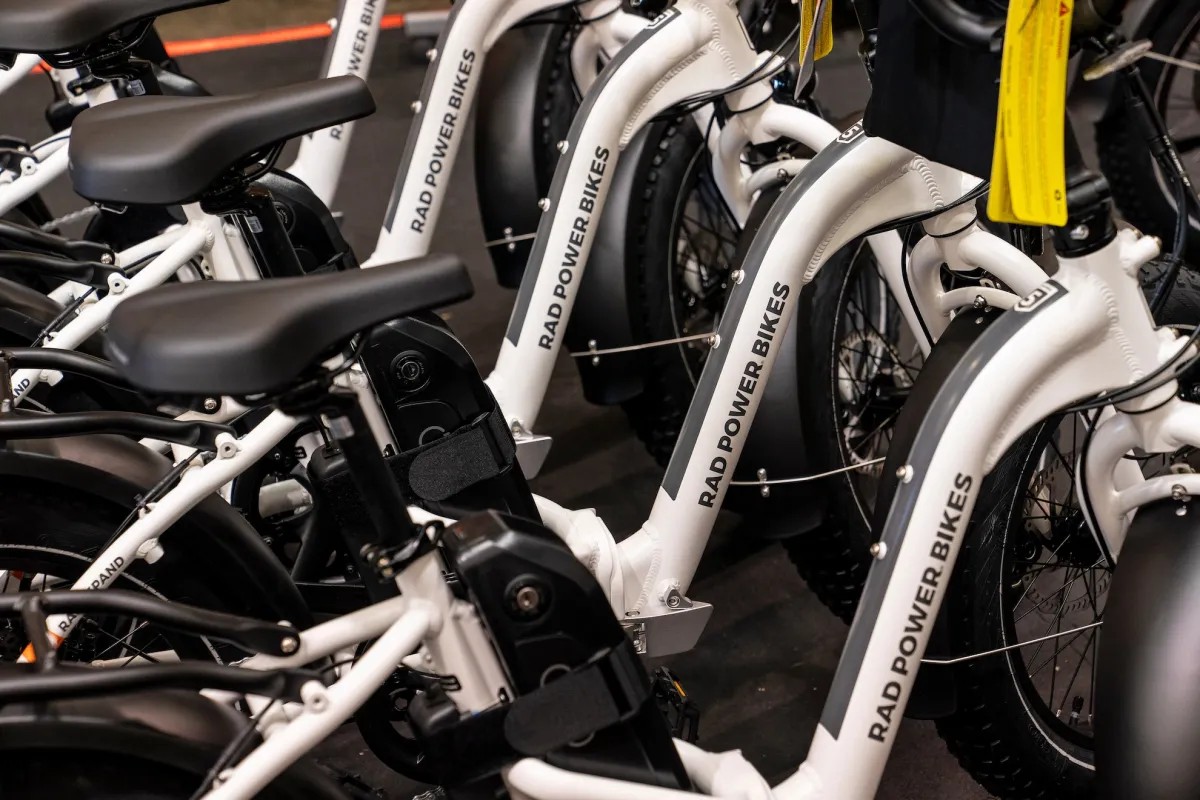
The electric bicycle market has seen a significant shift as Life Electric Vehicles (Life EV) has finalized the acquisition of Rad Power Bikes for $13.2 million. This follows Rad Power’s Chapter 11 bankruptcy filing in December, after the once-high-flying startup burned through nearly $330 million in venture capital.
Rad Power’s Rapid Rise and Fall
Rad Power Bikes gained popularity by offering direct-to-consumer electric bikes at competitive prices, disrupting the traditional bicycle industry. However, despite initial success, the company struggled with profitability, facing challenges common among venture-backed hardware businesses: high manufacturing costs, supply chain issues, and intense competition. The bankruptcy filing was preceded by internal warnings of potential shutdown if new funding wasn’t secured.
Life EV’s Acquisition Strategy
Life EV, a Florida-based firm specializing in acquiring and scaling electric micro-mobility brands, sees Rad Power as a key asset in its North American expansion plans. The company intends to maintain Rad Power’s brand identity and retail operations in the United States, including honoring existing warranties and gift cards. This move is crucial for maintaining customer trust during the transition.
Broader Implications for the E-Bike Market
Life EV’s portfolio also includes an equity stake in LEV Manufacturing, which owns the Serial 1 electric bicycle brand (originally from Harley-Davidson). This suggests a broader strategy of consolidating brands within the e-bike space. The acquisition of Rad Power underscores the growing consolidation trend in the electric vehicle market, where profitability remains a significant challenge for many startups.
Life EV’s acquisition of Rad Power Bikes marks a turning point in the e-bike industry. It demonstrates that even well-funded companies can fail without sustainable business models, while larger firms with strategic acquisition plans are poised to benefit from consolidation.