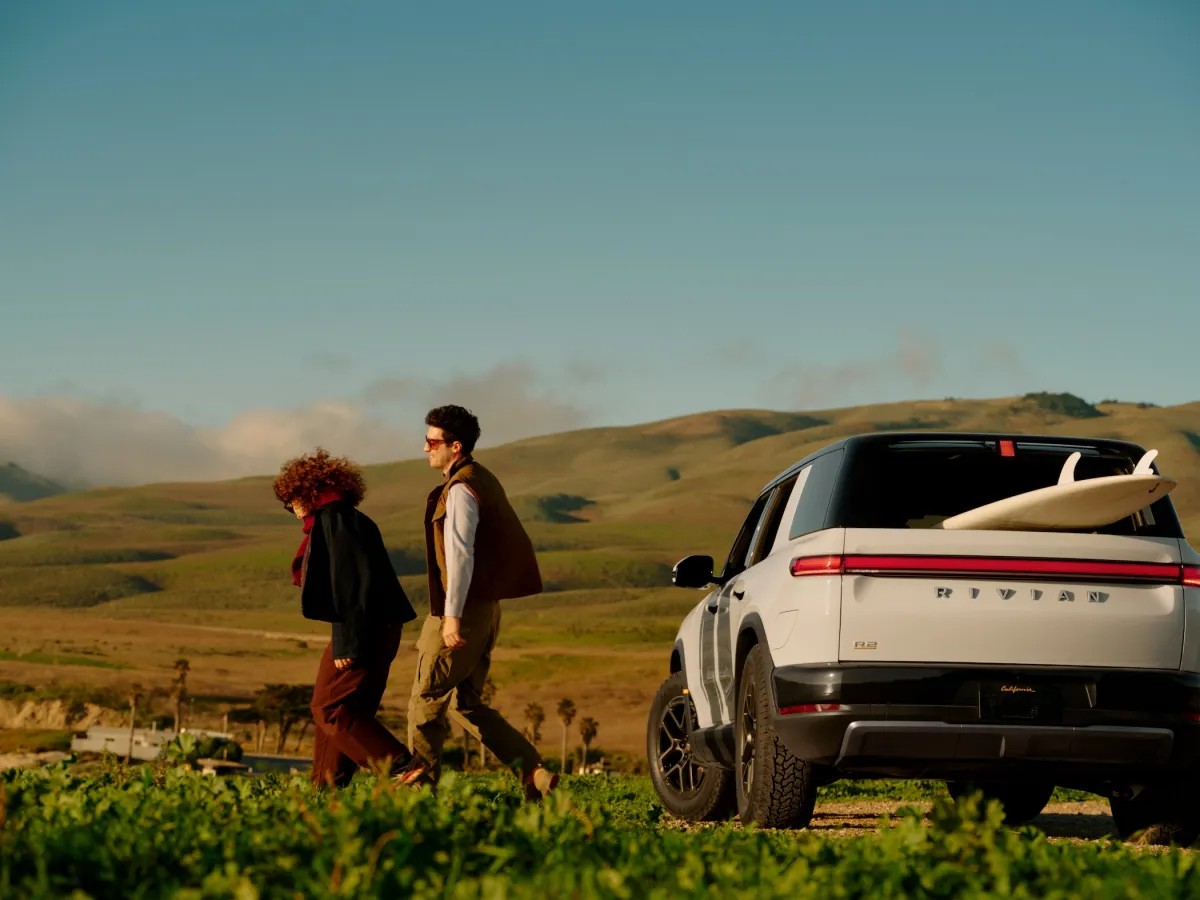
Rivian has confirmed its long-awaited base model R2 SUV, initially promised at $45,000, will not reach customers until late 2027. This delay, along with subtle shifts in the company’s pricing language – now stating “starting around $45,000” instead of “starting at $45,000” – raises questions about the feasibility of its budget-friendly offering.
Shifting Economic Realities
The delay isn’t isolated; it reflects broader economic pressures impacting EV manufacturers. The $7,500 federal tax credit has expired, and Rivian no longer benefits from regulatory credit sales from legacy automakers. Furthermore, potential tariffs under a new administration could further increase production costs. These changes mean that the initial financial landscape that supported the $45,000 price point is no longer guaranteed.
Production and Sales Challenges
Rivian faces additional hurdles. Sales of its existing R1T pickup and R1S SUV have slowed in 2025, even as the company prepares to open a massive new factory in Georgia. The company aims for aggressive launch sales of 20,000-25,000 higher-trim R2s by late 2026, which, if successful, would make it one of the fastest EV launches in U.S. history.
Prioritizing Higher-Margin Models
Rivian justifies the delay by stating it will first release more expensive R2 performance models. The company claims this approach showcases the platform’s capabilities and allows for scaled production of lower-trim versions afterward. The standard R2 model, launching in early 2027, will start at $48,490, with a range of up to 345 miles. The base model will offer a shorter range of about 275 miles, potentially incentivizing customers to upgrade.
Cost-Cutting Measures
Rivian insists it’s actively reducing costs through engineering changes, like adopting a zonal electrical architecture and streamlining its in-house drive units. The company also cites lessons learned from reducing costs on its second-generation R1 vehicles and improved supplier relationships. However, the company has also faced legal challenges, including a $250 million settlement over sudden price hikes on earlier models.
Lessons from Tesla
Rivian’s situation echoes past controversies with Tesla’s pricing promises. Elon Musk similarly struggled to deliver the $35,000 Model 3 and later faced criticism for the Cybertruck’s inflated launch prices. While the R2 is a more approachable vehicle than the Cybertruck, the risk of unmet price expectations remains.
The future of the R2’s base model remains uncertain. Whether it will mirror Tesla’s abandoned promises or succeed in delivering an affordable electric SUV will depend on Rivian’s ability to navigate economic headwinds and maintain its pricing commitments.