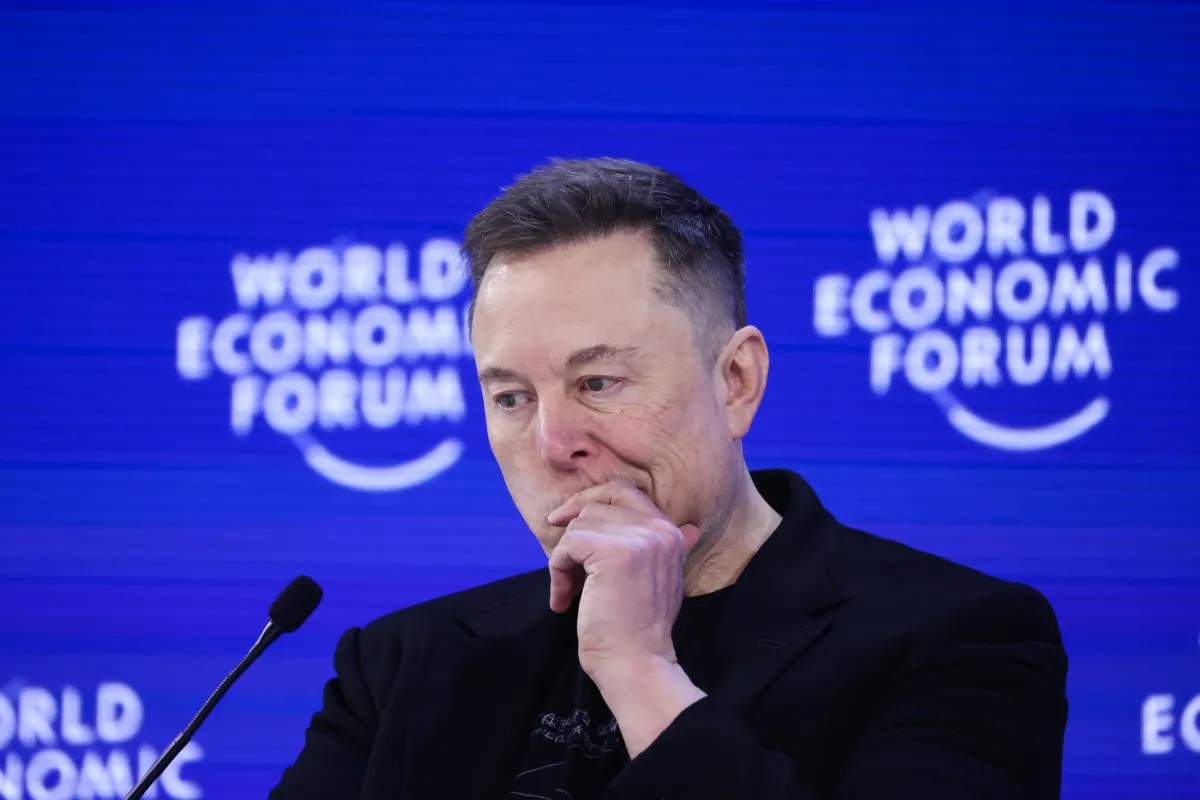
Elon Musk’s xAI is undergoing another significant overhaul, with the company essentially being rebuilt from the ground up, according to Musk himself. The move comes amid intense competition with established AI labs like Anthropic and OpenAI, and reflects a harsh reality: xAI isn’t performing as expected, particularly in key revenue-generating areas like AI coding tools.
Rapid Turnover and Musk’s Direct Intervention
The lab has seen a dramatic exodus of talent, with most of the original 11 co-founders now gone. Just this week, two more co-founders, Zihang Dai and Guodong Zhang, departed after Musk publicly criticized the company’s lagging performance against rivals such as Anthropic’s Claude Code and OpenAI’s Codex.
Musk has openly admitted the initial structure was flawed, and the current restructuring involves aggressive personnel evaluations, with SpaceX and Tesla executives brought in to assess and dismiss underperforming employees. The drastic measures highlight the high stakes and Musk’s impatience for results.
The Business Imperative: Coding Tools and Revenue
While xAI initially attracted users with its relatively unrestricted AI model, Grok, the long-term strategy hinges on capturing the lucrative AI coding tools market. This is where the real money lies, and xAI is currently behind.
The company’s revenue model depends on AI-powered coding assistance, making the current gap a serious business concern, not just a technical one.
Expansion and New Leadership
Despite the turmoil, xAI is actively recruiting, with Musk personally reviewing rejected applications. The company has also brought on new talent from Cursor, an AI coding tool firm, signaling a focus on acquiring expertise in this critical area.
xAI currently employs over 5,000 people, lagging behind OpenAI (7,500+) and Anthropic (4,700+).
The “Macrohard” Project and Integration with Tesla
Musk’s ambition extends beyond coding tools. The “Macrohard” project, intended to create an AI agent capable of performing white-collar work, hit a snag when its initial leader departed after just weeks.
Musk has now integrated the project with Tesla, developing a complementary agent called “Digital Optimus” that would be directed by xAI’s language model to perform physical tasks through Tesla’s Optimus humanoid robot.
This shift underscores Musk’s belief in a unified AI-robotics platform, where software drives hardware, and vice versa.
Conclusion: The aggressive restructuring at xAI demonstrates Musk’s unwavering commitment to competing in the AI race, even if it means dismantling and rebuilding from scratch. The pressure to deliver results, combined with the integration of Tesla’s robotics expertise, suggests a long-term bet on a fully integrated AI-hardware ecosystem.