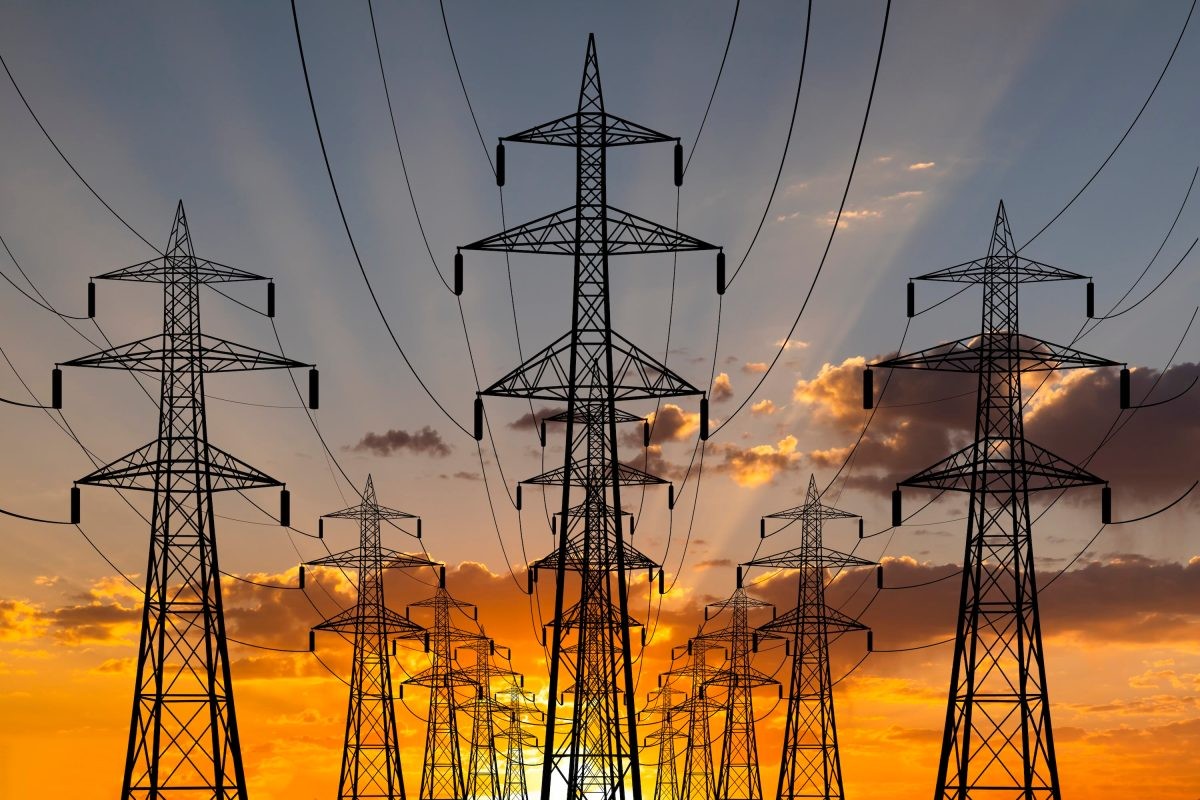
Venture capital has poured over half a trillion dollars into artificial intelligence (AI) startups in the last five years, but the most strategic investment now might not be in AI itself. It’s in the energy infrastructure that AI depends on. A growing number of data center projects are facing delays, not due to software glitches or algorithmic flaws, but due to a fundamental constraint: lack of power.
The Power Bottleneck: A Looming Crisis
According to Sightline Climate, 50% of announced data center projects are at risk of being delayed due to power access. While 190 gigawatts of data center capacity are planned, only 5 gigawatts are currently under construction. The imbalance is stark: just 6 gigawatts came online last year, while nearly 36% of projects have already slipped behind schedule. This isn’t just a technical hiccup; it’s a systemic issue that will affect any business relying on AI infrastructure.
This supply-demand squeeze creates a clear opportunity for investors. Tech giants like Google and Meta are already taking notice, investing directly in renewable energy projects (solar, wind, nuclear) and backing emerging technologies like Form Energy’s long-duration batteries. The race to secure power is on.
Beyond Batteries: The New Power Tech
Dozens of startups are tackling this challenge. Companies like Amperesand, DG Matrix, and Heron Power are developing next-generation power conversion technologies. Others, including Camus, GridBeyond, and Texture, are building software to optimize energy flow.
The problem is escalating. Goldman Sachs predicts AI-driven data center power consumption will surge by 175% by 2030. This unprecedented demand is driving up electricity prices, forcing companies to explore alternatives: on-site power generation, hybrid solutions, or even building their own independent energy sources. The U.S. government has also taken notice, urging tech companies to address the shortfall, either by investing in infrastructure or facing higher rates.
Grid Alternatives: The Rise of Self-Reliance
Amazon, Google, and Oracle are already minimizing grid dependence. Data centers are increasingly planned with on-site power or hybrid systems. Though only a quarter of projects currently utilize these approaches, they represent 44% of total capacity.
The push is fueled by equipment shortages (particularly gas turbines) and an outdated grid infrastructure. This creates a pathway for alternative energy sources. Google’s recent deal in Minnesota exemplifies this, combining wind, solar, and a massive 30 gigawatt-hour battery from Form Energy.
The U.S. is expected to have nearly 65 gigawatts of battery storage capacity by the end of this year, and Form Energy is raising a $500 million round in anticipation of an IPO. The energy storage market is poised for explosive growth.
The Forgotten Component: Transformers
Energy supplies are only half the battle. The final step—managing power distribution—relies on a technology that hasn’t changed much in 140 years: the transformer. Traditional iron-and-copper transformers are reliable but bulky. As data centers demand more power, equipment will soon consume twice the space of the server racks themselves.
This is why investors are now backing solid-state transformer startups. Silicon-based power electronics offer a smaller, more flexible alternative, though at a higher upfront cost. The long-term savings (replacing multiple components) should make them competitive.
The Bigger Picture: A Hedge Against the Future
While AI investment rounds are capturing headlines, the scale of funding in energy and power tech is still smaller. This isn’t a disadvantage; it means more manageable entry points for investors. Furthermore, as the world electrifies beyond AI (transportation, industry, etc.), the demand for reliable power will only increase.
Investing in energy infrastructure isn’t just about enabling AI; it’s a hedge against potential AI market fluctuations. The best AI investment may not be in AI at all—it’s in the power that makes it run.