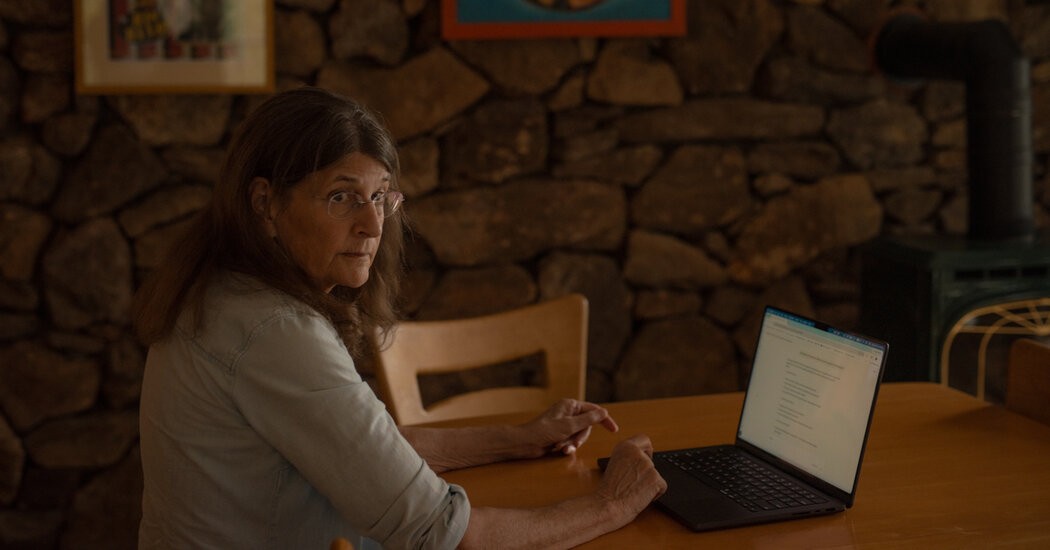
For many, the healthcare system feels fragmented, with specialists focusing on narrow problems rather than the whole patient. Margie Smith, 70, of North Carolina, experienced this firsthand in 2022 when she cycled through allergists, pulmonologists, cardiologists, and more—none of whom could connect her symptoms into a coherent diagnosis.
The Problem with Siloed Medicine: The modern healthcare model often keeps doctors in rigid specialties. This means a patient with complex or overlapping conditions can fall through the cracks, as no single provider is incentivized to look at the bigger picture. This is why patients are often left feeling unheard or misdiagnosed.
Smith ultimately found answers not from a medical professional, but from an AI chatbot, Claude. Through detailed conversations, she identified her condition as likely long Covid complicated by dysautonomia – a post-viral syndrome disrupting basic bodily functions. She now uses AI-generated insights to guide her medical appointments, seeking doctors open to collaborative decision-making.
A Shift in Power Dynamics: Smith’s case highlights a growing trend. Patients are increasingly turning to AI as a diagnostic tool when conventional medicine fails. This isn’t about replacing doctors, but about filling gaps where the system is broken. The fact that an AI chatbot was more effective than multiple specialists underscores a critical flaw in current healthcare delivery.
The Future of Patient Empowerment: Smith now manages her symptoms effectively by combining medical recommendations with AI-driven insights. This suggests that, in some cases, technology is becoming an essential tool for patients who feel abandoned by traditional medical care. The trend raises questions about whether healthcare will adapt to better integrate AI or continue to leave patients to seek solutions on their own.
The rise of AI-assisted diagnosis is not a replacement for doctors, but a symptom of a system that often leaves patients feeling lost in the maze of specialization.