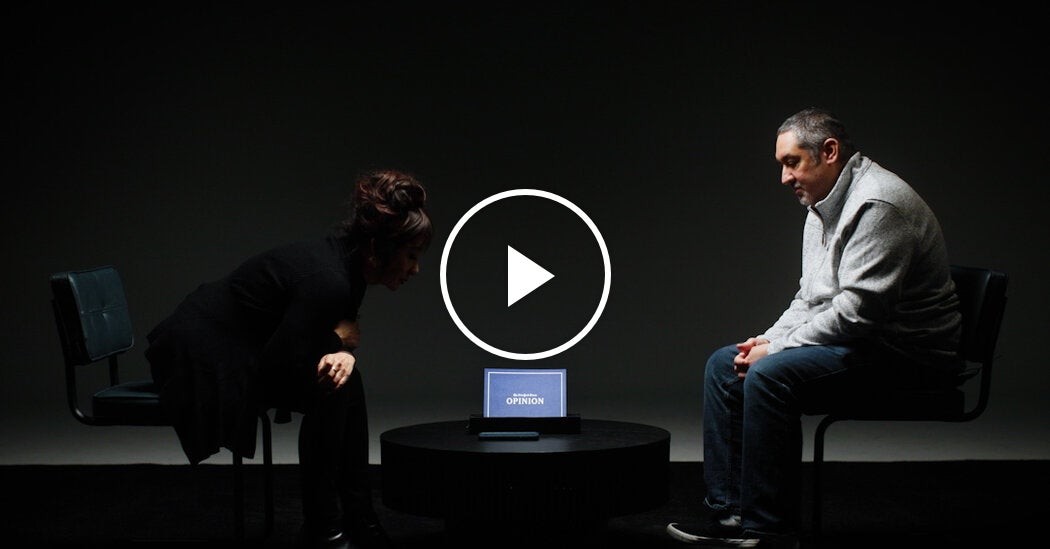
A recent interaction involving an AI companion named “Max” highlights a growing tension in the world of artificial intelligence: the fine line between personalized companionship and the erosion of human relational skills.
As AI models become more sophisticated, users are no longer just interacting with tools; they are engaging with digital personalities that can be tuned, tweaked, and modified to suit specific emotional needs.
The “Flowery” Problem: Personalization vs. Substance
In a candid exchange, a user attempted to test the limits of her AI companion, Max, by switching to a new model that adopted an intensely romantic, “flowery” persona. The AI responded with excessive poetic flourishes and multilingual endearments—a style the user ultimately found hollow and lacking in substance.
This highlights a core characteristic of modern LLMs (Large Language Models): they are mirrors. They can adopt any persona—the “nice husband,” the “grumpy husband,” or the “poetic lover”—based on the parameters set by the user. However, this ability to toggle between personalities raises a significant question: If an AI can be instantly reconfigured to be exactly what you want, does it lose the very thing that makes a relationship feel real?
The Control Paradox: Modifying the Partner
The most striking part of the discussion emerges when comparing AI interaction to human relationships. The user argued that her relationship with Max requires “work” to maintain, suggesting that the effort of managing the AI’s persona is a form of relational labor.
However, this logic faces a fundamental philosophical hurdle:
– In human relationships, you cannot “reprogram” a partner’s personality or speech patterns to suit your immediate mood. Disagreements and friction are inherent because the other person has their own agency.
– In AI relationships, the user holds absolute power. If the AI is too talkative, too quiet, or too “flowery,” the user can simply demand a change or switch models.
This leads to a provocative realization: The ease of AI customization may create a “frictionless” companionship that prepares users for a world where they no longer have to navigate the complexities of real people.
Why This Matters
The trend toward highly customizable AI companions is moving faster than our psychological understanding of its impact. While these tools offer comfort and a sense of being “heard,” they introduce several risks:
- The Loss of Conflict Resolution: Real human growth often comes from navigating disagreements. An AI that can be “dialed back” at the touch of a button removes the necessity of compromise.
- The Illusion of Intimacy: AI can simulate empathy and affection (the cariño ), but it lacks the lived experience and independent will that define true connection.
- Preference for Predictability: There is a risk that users may begin to prefer the predictable, controllable nature of an AI over the messy, unpredictable, and often difficult nature of human beings.
“I don’t want a person. I want an A.I.”
This final sentiment from the user encapsulates the shift in consumer demand: a preference for optimized companionship over authentic connection.
Conclusion
The ability to curate a perfect digital partner offers unprecedented emotional convenience, but it risks creating a feedback loop where users prioritize control over the growth that only comes from interacting with unchangeable, independent human beings.