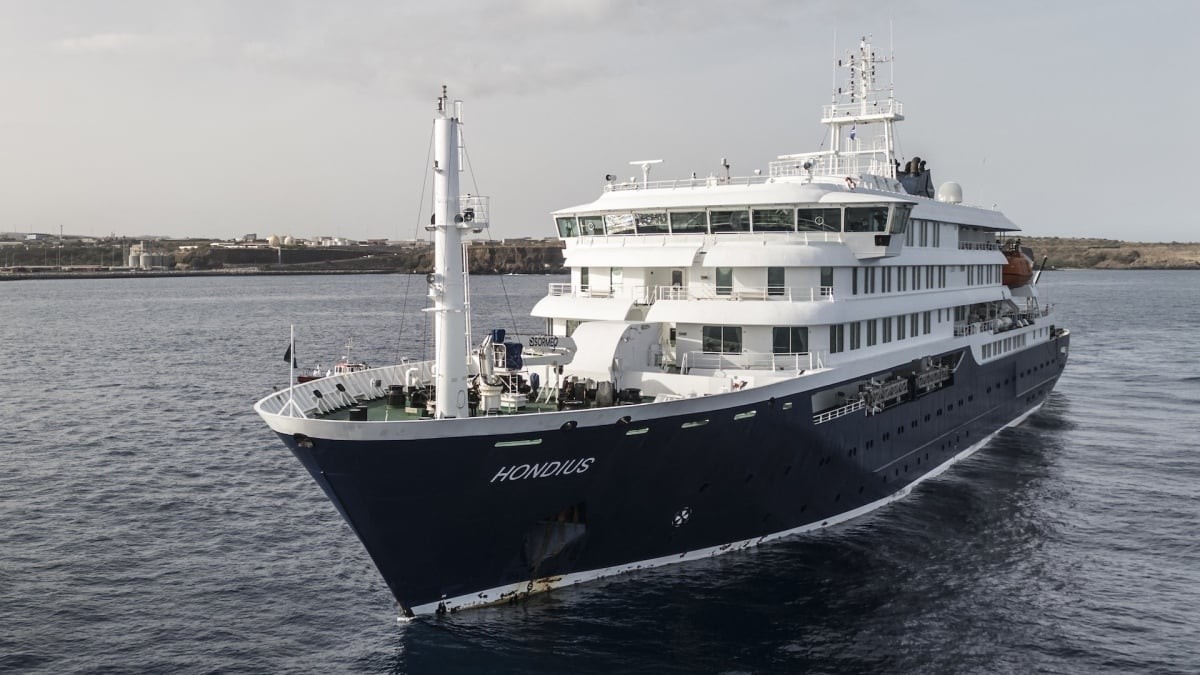
A deadly hantavirus outbreak has gripped the m/v Hondius, a small expedition cruise ship currently stranded in the Atlantic Ocean. As of late April, three passengers have died, and dozens more are under observation or have disembarked in various countries. The incident has raised urgent questions about international health protocols, contact tracing, and the containment of rare but lethal pathogens.
Human Stories Amidst the Crisis
For those aboard, the situation is far more than a headline. Jake Rosmarin, a Boston-based travel blogger, provided a harrowing firsthand account of the fear and uncertainty permeating the ship. In a tearful video posted to TikTok, Rosmarin urged the outside world to recognize the humanity behind the statistics.
“What is happening is very real for us right now,” Rosmarin said. “We’re not just a story, we’re not just headlines, we’re people, people with families, with lives, with people waiting for us at home.”
Before the outbreak was confirmed, Rosmarin had documented the ship’s amenities, including the dining hall and bridge, highlighting the contrast between the leisurely nature of the voyage and the sudden medical emergency. The Hondius departed from Argentina on April 11 for a 35-day journey originally scheduled to end in Cape Verde.
The Spread of the Andes Strain
The virus in question is the Andes strain of hantavirus, a rare pathogen typically transmitted through contact with rodent urine, feces, or saliva. Health experts believe the initial infection occurred during a birdwatching expedition in South America, where passengers may have been exposed to contaminated environments.
Unlike most hantaviruses, the Andes strain is capable of human-to-human transmission, making containment on a confined vessel like a cruise ship particularly challenging. The World Health Organization (WHO) has confirmed five cases, though the total number of infections may be higher given the difficulty in early diagnosis.
The outbreak has already resulted in fatalities beyond the ship:
* Three deaths have been recorded among passengers on the Hondius.
* One passenger’s wife disembarked on St. Helena on April 24. After traveling to Johannesburg, she was removed from a flight bound for Amsterdam and has since died.
Global Containment Efforts
On April 24, 30 individuals disembarked on the remote island of St. Helena. Reports indicate that comprehensive contact tracing was not conducted on the island, raising concerns about potential undetected spread. Several of these individuals have since traveled to the United States, arriving in states including California, Arizona, Texas, Georgia, and Virginia.
Despite the gravity of the situation, health officials are attempting to manage public anxiety. The WHO has stated that this outbreak does not signal the start of a new pandemic or epidemic. The Andes strain, while dangerous, is not as easily transmitted as respiratory viruses like influenza or COVID-19.
The Hondius is currently en route to the Canary Islands, with an expected arrival in three to four days. However, political tensions have complicated the response; the president of the Spanish-controlled islands has expressed resistance to allowing the ship to dock. As of the latest report, Oceanwide Expeditions, the ship’s operator, stated that no one currently aboard is symptomatic.
Understanding Hantavirus: Risks and Symptoms
To understand the severity of the outbreak, it is essential to distinguish between the two primary syndromes caused by hantaviruses:
- Hantavirus Pulmonary Syndrome (HPS): Predominant in the Americas, this affects the lungs and carries a high fatality rate of approximately 38%.
- Hemorrhagic Fever with Renal Syndrome (HFRS): Common in Europe and Asia, this affects the kidneys and has a lower fatality rate, ranging from 1% to 15%.
Key Facts from the WHO:
* Transmission: Primarily through rodent excreta; limited human-to-human transmission is documented only for the Andes strain.
* Incubation: Symptoms can appear anywhere from one to eight weeks after exposure.
* Early Symptoms: Fatigue, fever, headache, muscle aches, abdominal pain, nausea, or vomiting. These often mimic flu or pneumonia, making early diagnosis difficult.
* Treatment: There is no specific vaccine or antiviral treatment. Care is supportive, focusing on rest, hydration, and managing symptoms.
What This Means for Public Health
This outbreak highlights the vulnerabilities in global travel health systems. The combination of a rare virus, limited diagnostic tools, and gaps in contact tracing creates a perfect storm for cross-border transmission. While the risk to the general public remains low, the incident underscores the need for rigorous screening protocols for travelers returning from regions where rodent-borne diseases are prevalent.
If you suspect exposure to hantavirus:
* Wear a face mask to prevent potential airborne transmission (in the case of the Andes strain).
* Seek immediate medical attention at the nearest hospital.
* Inform healthcare providers of your recent travel history and potential rodent exposure.
The Hondius crisis serves as a stark reminder that in an interconnected world, local health incidents can quickly become international concerns, requiring coordinated, transparent, and science-based responses.