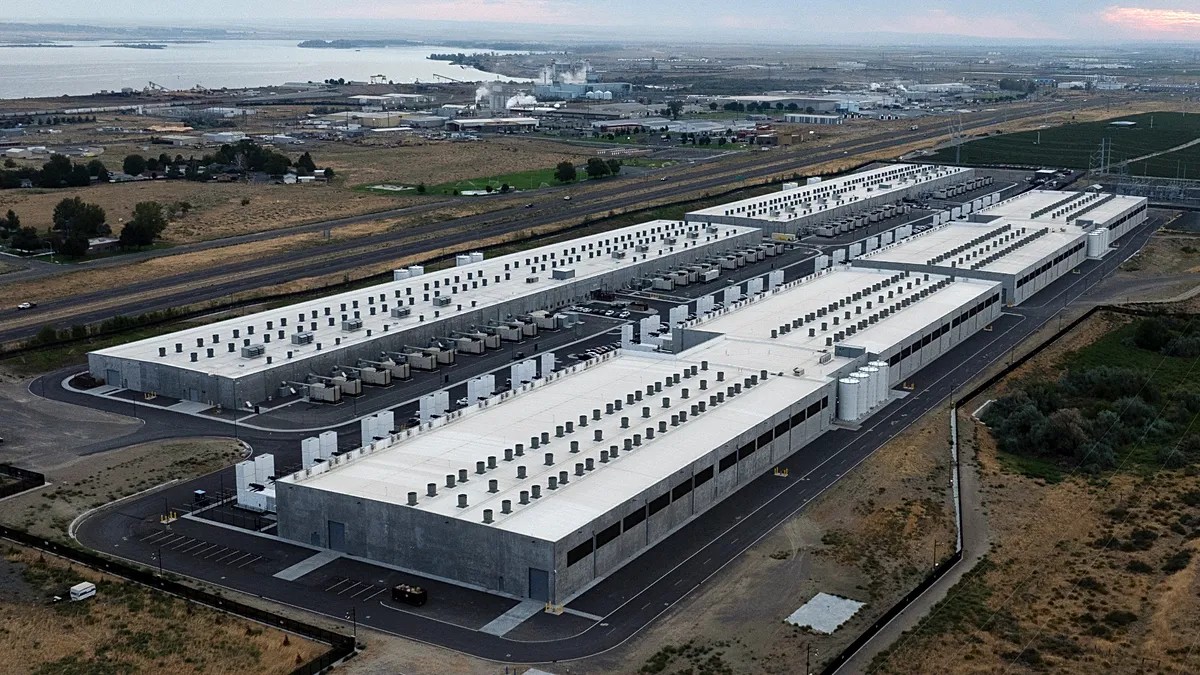
It’s a coalition. Forty mayors. Across four continents. They’re tired.
The AI boom isn’t just abstract anymore. It’s knocking on doors. Demanding space. Sucking the grid dry. This pact sets conditions. Non-negotiable ones. If tech giants want to build data centers, cities get a say.
Launched Tuesday in London during Climate Action Week, the deal comes from C40 Cities. A network of nearly 100 mayors trying to save their skylines. It’s the first real coordinated push. Global. City-level. A shield before the floodgates open.
Here is the math.
Around 1,700 existing centers sit in C40 networks. Expect that number to jump over 40% in half of those cities.
Phoenix meets Melbourne
It started with two leaders realizing they were fighting the same ghost.
Phoenix and Melbourne. Different hemispheres, same problem. Data centers guzzle power. They thirst for water. They price out housing developers who actually provide homes for humans.
“We found out the challenges were universal,” says Cassie Sutherland from C40. So they built a unified voice. One set of rules for everyone.
Look at Phoenix.
It’s already a top-ten market for servers. Just the pending permits there? Enough to double the city’s electricity demand. Mayor Kate Gallego gets the innovation hype. She knows AI creates jobs. But she draws a hard line on climate damage. On failing neighborhoods.
“We just want to make sure we get it right.”
Melbourne is worse. Or rather. It is worse because the data is clearer.
Current plans could drain 20 billion liters of drinking water yearly. That is 4% of the supply. And that water is already stretched thin. Population is up. Droughts are longer. The heat doesn’t care about server uptime.
What the pact demands
Specifics matter.
No vague promises. The standards require clean energy. Battery storage. Waste heat capture. Sites must be brownfields—abandoned lots or underused land—not greenfield destruction.
Water use? Must drop. Emissions? Cut. Local jobs? Created.
But here is the friction.
Mayors aren’t gods. Sutherland admits this. They can’t mandate change in a vacuum. They need utilities on board. Higher governments. The private sector buying into local rules.
Who signed?
About half are American cities. Seattle. Chicago. Miami. Phoenix. Palo Alto.
Then the rest. European hubs like Athens and Oslo. Nairobi. Cape Town. Accra. Mumbai. Sydney. Beirut.
The missing quarter
Southeast Asia stayed home.
Why? The region drives a quarter of the world’s new energy hunger. Yet, none of its major cities signed.
The scale there is terrifying.
Over 2,000 centers already operate across Indonesia, Singapore, Thailand, Malaysia, Vietnam, and the Philippines. The International Energy Agency predicts energy demand from these buildings will double in five years.
Microsoft, Google, Nvidia—they are pouring capital into Malaysia right now.
C40 says it’s a policy complication. National governments holding the reins, not mayors. The talks are continuing.
But here is the physics of the industry. AI needs speed. Latency is the enemy. So servers cluster near users. Cities win the bidding war because the business case for being close outweighs the rent.
Unless the city fights back.
The 40 mayors betting on this pact hope unity shifts the power dynamic. Gallego says it plainly. Without a front line, developers go where resistance is low.
Or nonexistent.