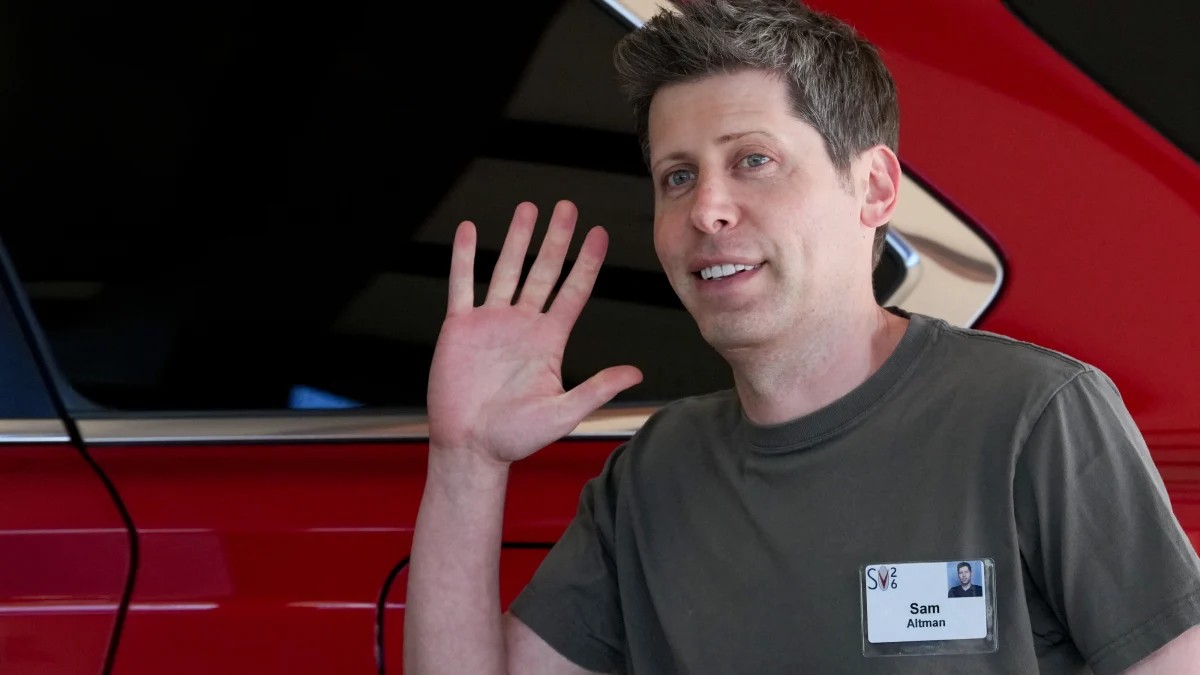
Sam Altman wants you to automate the bedtime story. Well, not literally that, but he suggests using ChatGPT to turn your kids’ lives into morning podcasts. It’s a slick idea on paper. The problem is it replaces human connection with algorithmic summarization.
The OpenAI CEO took to X late last night with a suggestion that has immediately put him in the crosshairs of tech skeptics and concerned parents alike. His proposal was simple. Connect your family calendar. Feed it data. Have the AI generate an audio brief every morning during the school run.
“cool use case of chatgpt work I heard last night,” Altman wrote, keeping things casual. “Connect your family calendars and explain your kids’ interests.”
The vision was specific. Every morning for the drive to school have the AI generate a podcast. Focus on one kid’s soccer game later that afternoon. Mention an upcoming birthday. Throw in some general news. It’s efficient. It’s organized.
It is also deeply troubling to a lot of people.
The Human Element vs. The Algorithmic Summary
Altman’s post amassed about 9,500 likes by the time we checked. That number feels insignificant compared to the 120,000+ likes on a reply from Gravity Falls creator Alex Hirsch. His comment? Short and devastating: “What if you just talked to your children?”
Hirsch isn’t alone in his disdain. The sentiment across the replies was uniform. Altman was essentially encouraging parents to disconnect from their families by outsourcing the mundane but meaningful task of remembering what their kids care about. Why talk to them when an app can tell you their schedule?
This reaction highlights a growing anxiety about how AI tools are reshaping human interaction. We aren’t just worried about jobs or deepfakes anymore. We’re worried about the slow erosion of relational depth. When you replace a conversation about soccer with a synthesized audio track, something gets lost. You lose the nuance. You lose the chance to ask, “Did you enjoy it?” You get data instead of dialogue.
Why People Are Pushing Back on AI Integration
The backlash isn’t new, but it is intensifying. Recent years have seen a ramp-up in criticism aimed at major tech giants. The reasons are varied and serious. Environmental impacts of data centers are a concern. Surveillance capitalism is a nightmare. Job losses are happening now.
There are even fears of “AI psychosis,” a term gaining traction as people become increasingly dependent on chatbots for emotional support or conflict resolution. The potential degrading of interpersonal relationships is the core issue here. If you start outsourcing relational maintenance to an AI, do you stop knowing how to maintain relationships manually?
Hirsch’s criticism wasn’t isolated to this incident. That same day, he criticized Google’s decision to add its AI image generator into Google Earth. Google eventually reversed that decision. These moments are connected. They represent a broader cultural pushback against the idea that every aspect of life, especially intimate family dynamics, should be optimized by an algorithm.
The Bigger Picture of AI in Daily Life
Altman’s suggestion sits at a weird intersection of convenience and detachment. On one hand, managing a busy family schedule is hard. Calendars are chaotic. Reminders are forgotten. AI can help organize this chaos. It can synthesize information quickly.
On the other hand, the “use case” he proposed is less about efficiency and more about absence. It assumes parents don’t have time to listen. It assumes they need a proxy to remember what’s happening in their children’s lives.