King Ashoka, ruler of the Mauryan dynasty between 265 and 238 BCE, stands as one of India’s most powerful emperors. But his legacy isn’t just about conquest. It’s about a dramatic shift from brutal violence to profound moral reflection. The medium for this transformation? Stone.
Ashoka’s early reign was defined by bloodshed. The turning point was the Kalinga War, where he oversaw the slaughter of thousands. The horror of that event triggered a crisis of conscience. He encountered the moral framework of Buddhism, which centered on nonviolence and compassion. The guilt was overwhelming.
He converted to Buddhism and carved lessons into stone to guide his people.
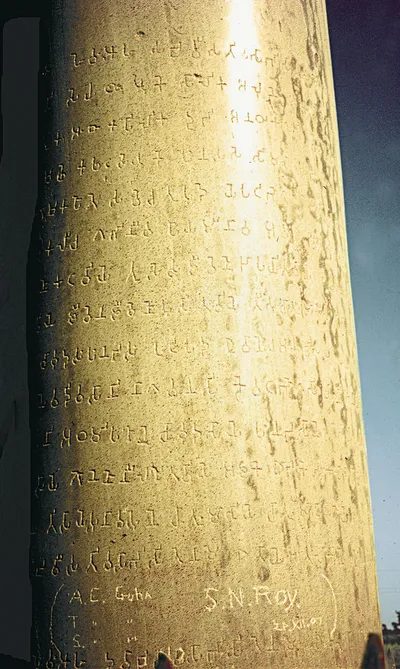
This wasn’t a private repentance. Ashoka went public. He commissioned the rock edicts, a series of announcements and narrative histories carved directly into cliff faces, pillars, and caves across the subcontinent. These weren’t just records of victory. They were instructions on dharma —moral law.
For modern historians, these inscriptions are gold. They provide the clearest look at how Buddhist teachings influenced state policy. They show how a king’s personal spiritual journey rippled out to shape the religious and political landscape of ancient India. Without them, we’d know far less about the spread of Buddhist ethics in the public sphere.
The edicts serve as a bridge between the man and the masses. Ashoka used stone to ensure his message of restraint and ethical governance would outlast his reign. It remains one of the earliest examples of a leader using public infrastructure for ideological messaging. The stones still stand. The lessons are still there, waiting in the rock.