
Social media promises connection. It promises you can find friends across oceans and stay in touch with childhood friends. The reality is more disturbing. Scammers lurk in the comments. Catfish hide behind stolen photos. You never know if the person writing something for you is real or a made-up person with the intention of taking advantage of you.
The stakes are not theoretical. The brutal murder of a 16-year-old girl in early 2012 revealed the brutal dangers of online manipulation. She died after meeting someone from Mbuzzy, a social network with over 7 million profiles. This is not Facebook. This is a “hookup” platform for teenagers. iOS and Android smartphone apps make it virtually invisible to parents. It was built for flirtation, not friendship.
There are inherent risks associated with the use of social networks. Some platforms are much riskier than others when it comes to sharing personal information. It is no longer possible to know which sites prioritize security and which are vulnerable to exploitation. Mandatory for everyone who surfs the net.
How Mbuzzy Profiles Work and the “secret cache” trap
Registering for Mbuzzy is easy. Email confirmation is not required. Although the main purpose of the site is romantic and sexual relationships, anyone over the age of 13 can register. The design reinforces this. Age and gender are important. Users upload photos and list “basic information” such as body type, marital status and habits.
Other users vote on these profiles. The most common votes? “Sexy” and “cute”.
You can claim to have a “crush” on someone. You can set relationship status like talking, flirting, exclusive, etc. It mimics real-world dating apps long before they became the norm. But the mechanics raise a red flag.
This site offers instant messaging and public chat rooms. Most of these rooms are ghost towns. Sometimes there is no “beginner,” “midwesterner,” or “southern” activity at all. The “Flirting” room is the only one that sees traffic. But the photography system causes the most alarm.
Public photos are visible to everyone. However, users can upload “secret stashes” of personal photos. These are locked. You cannot view it unless you pay with a virtual currency called “coinz”.
How do you get coinz?
- Verify your account.
- Register your phone number.
- Download the Mbuzzy app.
This creates a dangerous feedback loop. To view private photos, you must give up your phone number and install an application. Basically, you are handing over your location and contact information to a platform that has little regard for your security.
The claim of 7 million profiles may be a stretch. The number of active users is low. Most chat rooms are empty. Front-page profiles are often out of date or abandoned. For those not willing to pay to see “secret” content, the site appears dead.
None of this is automatically illegal. But there are also risks. Users on Mbuzzy can and do misrepresent themselves. This smartphone app bypasses parental controls, making it difficult for parents to track who their teens are talking to. Barriers to entry are low. The verification process is invasive. The purpose is clear.
Mbuzzy smartphone app
The app is the delivery mechanism for this risk. It is designed to be easy to use, unobtrusive and immersive. Mbuzzy ensures continuous connection by removing the hassle of web browsers and directing users to a mobile experience. Parents cannot easily view browsing history on their phones. The application is in a uniquely designed walled garden.
The danger lies in the disconnect between digital interaction and physical reality. This app allows teenagers to easily switch from “talking” to “meeting” without adults noticing. The platform does not confirm your identity. It does not monitor for predators. This makes contact easier.
The murder case that started this conversation serves as a grim case study. This highlights how quickly “flirtation” online can turn deadly if the other person is not who they say they are. The tools exist to protect users. Background checks exist. There is a verification process. Mbuzzy decided not to use them.
Why is this important to you?
If you’re a parent, your child may be using a platform that prioritizes participation over safety. If you’re young, you might think you’re aware enough to spot a lie. But the lies are getting more sophisticated. Stolen photos are easy to get. Fake profiles are cheap to create.
The question is not whether social networks are dangerous. they are. The question is, which ones you trust with your identity Mbuzzy offers little protection. Instead, it offers a marketplace for attention backed by intrusive data collection.
The next part of this analysis will take a closer look at specific security breaches and what users can do to protect themselves. For now, the warning is clear. Ease of use does not mean safety.
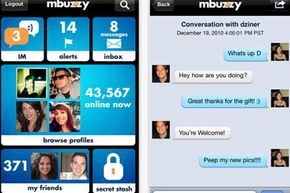

The Mbuzzy mobile app is available for free download for iOS and Android. Getting started is very easy. Log in with Google Checkout or Zong and buy coinz. Zong is owned by eBay and charges these purchases directly to your phone bill. This application mirrors many of the core features of the website. You can send instant messages. View your account alerts. See other user profiles. You can also view other people’s “secret stashes”. There is a catch. Viewing these private collections costs coins.
The Android experience is rough and the reviews feel fake.
The application has limitations. Chat rooms are not supported. For social networks, this is a huge gap. The Google Play store reviews are also questionable. Most 5 star reviews are empty or say things like “I liked it” or “It’s great”. They do not provide any content. Negative reviews tell a different story. Users report real problems. The application crashes. It freezes. This happens on certain Android devices. If you are an Android user, beware of instability.
Why parents should worry about Mbuzzy
Smartphones are personal property. Parents rarely have a complete picture of what their teens do on them. This creates a oversight problems. The most obvious risk is financial waste. Mbuzzy charges for basic social interaction. Paying coinz to see who viewed your profile within a month is a bad investment. You get little value for your money. The service is not satisfactory. The attention you get may not be genuine.
Mbuzzy and other hook-up sites
Mbuzzy is confusing. It works like a hook-up site, but it doesn’t specifically advertise this. Features such as secret stash suggest adult content. Messages in chat rooms often have sexual undertones. Designed to promote sexual relationships. So why hide your purpose? Ambiguity can attract more members. Create a mystical feeling. This mystery is compelling.
The real danger in these networks is fraud. These sites may use images of porn stars to attract users. A real user may provide false information about his identity. The companies that run these sites do it in a way that makes them money. Text messages are charged. We sell special currencies like coinz. Mainstream media often reports on the dangers of online dating. This is a simple goal. Online dating is relatively new. People lie easily. But the danger existed before the Internet.
The main thing is to be careful. Be careful with any website. Even if your intentions with Mbuzzy are innocent, protect yourself. Think about the personal information you share online. Consider whether you are willing to allow strangers to access this information. These strangers may have malicious intent. The risks are real. Financial traps are hidden. The application may crash. The reviews are fake. Purpose unknown. You are entering a space designed to extract value. From your wallet, data and time. It’s up to you to decide if this mystery is worth the price.