Традиційний процес читання зазнає цифрової метаморфози. Стартап Sinai.ai, що спеціалізується на інтерактивній літературі на базі штучного інтелекту, успішно завершив пре-сид раунд фінансування у розмірі $1,45 млн. Ці інвестиції стануть значним кроком на шляху до подолання розриву між класичним книговиданням та епохою генеративного ІІ.
Ландшафт фінансування
Інвестиційний раунд очолили два великі регіональні гравці: KAUST Innovation Ventures (Саудівська Аравія) та DisrupTech Ventures (Єгипет). Додаткову підтримку надали Maza Ventures, YOUXEL Ventures, а також низка бізнес-ангелів.
Залучений капітал буде спрямований на чотири ключові напрями зростання:
– розробка власної технології ІІ;
– зміцнення інфраструктури штучного інтелекту;
– масштабування зусиль із залучення користувачів;
– Розширення угод про ліцензування контенту.
Переосмислення процесу читання: формат «aiBook™»
В основі пропозиції Sinai.ai лежить aiBook™ — запатентований формат, покликаний перетворити статичний текст на мультимодальний інтерактивний досвід. На відміну від традиційних електронних книг, aiBook™ дозволяє читачам динамічно взаємодіяти з контентом.
Ключові особливості цього нового формату включають:
– Діалог у реальному часі: читачі можуть ставити запитання та «спілкуватися» з книгою, щоб прояснити складні ідеї.
– Персоналізоване навчання: платформа може автоматично створювати навчальні посібники, короткі виклади та тести.
– Мультимодальна гнучкість: користувачі можуть безперешкодно перемикатися між читанням та прослуховуванням або перекладати твори різними мовами.
– Візуалізація: ІІ допомагає візуалізувати оповідання та концепції у міру просування читача за текстом.
Подолання «бар’єру авторських прав»
Найсерйознішою перешкодою для використання ІІ у видавничій справі була юридична сторона питання. Більшість універсальних ІІ-інструментів важко взаємодіють з книгами, захищеними авторським правом, не порушуючи права інтелектуальної власності. Sinai.ai вирішила цю проблему, побудувавши бізнес-модель, орієнтовану на дотримання правових норм.
Замість парсингу даних з інтернету Sinai.ai використовує 100% ліцензований повнотекстовий контент, отриманий безпосередньо від видавців. Ділячись прибутками з правовласниками, компанія позиціонує себе не як конкурента, а як партнера видавничої індустрії. Такий підхід гарантує, що ІІ працює у повністю легальному середовищі, забезпечуючи рівень надійності та законності, який не можуть запропонувати звичайні великі мовні моделі (LLM).
Фундамент високого рівня
Стартап запускається з бібліотекою із тисяч найменувань, спираючись на партнерські відносини з десятками видавництв, включаючи кілька найбільших імен у промисловості.
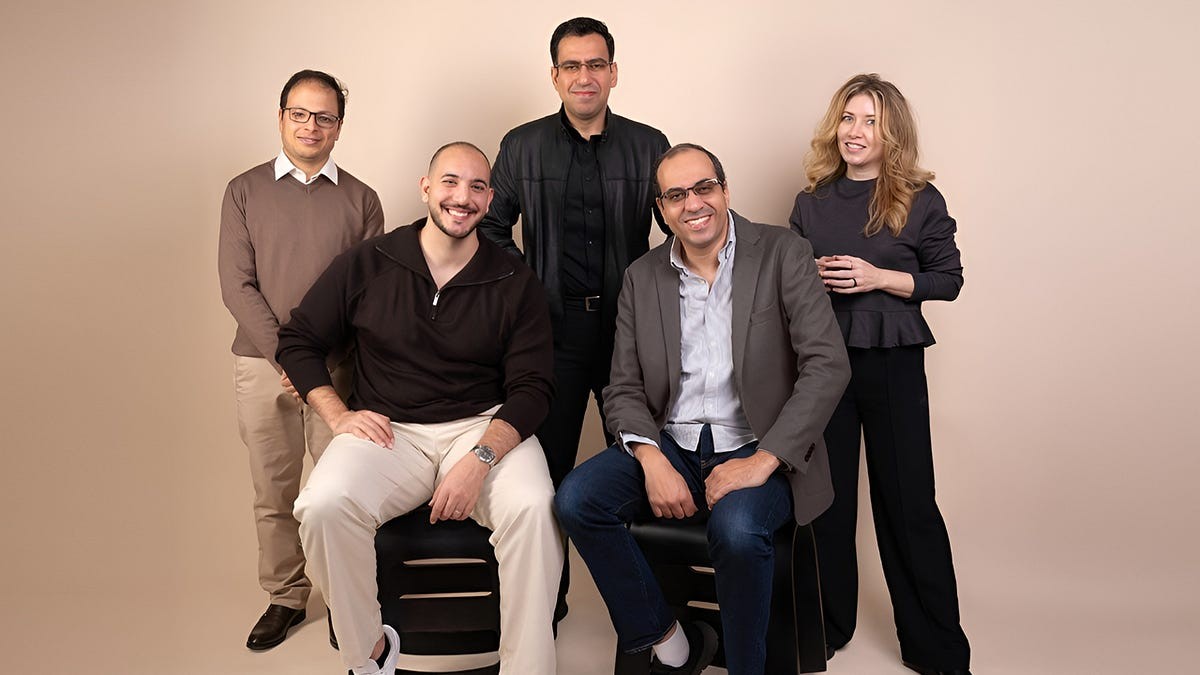
Керівництво компанії має вражаючий послужний список. Команда з п’яти засновників має дипломи престижних навчальних закладів, таких як Стенфорд, Йель та Університет Торонто, а їхній професійний досвід охоплює технологічних та медіа-гігантів, включаючи Google, Meta, McKinsey, Warner Bros. та Netflix.
Висновок
Роблячи ставку на легальне ліцензування та інтерактивні технології, Sinai.ai прагне перетворити ринок книг обсягом $150 млрд із пасивного медіа на активний, персоналізований діалог між читачем та текстом.