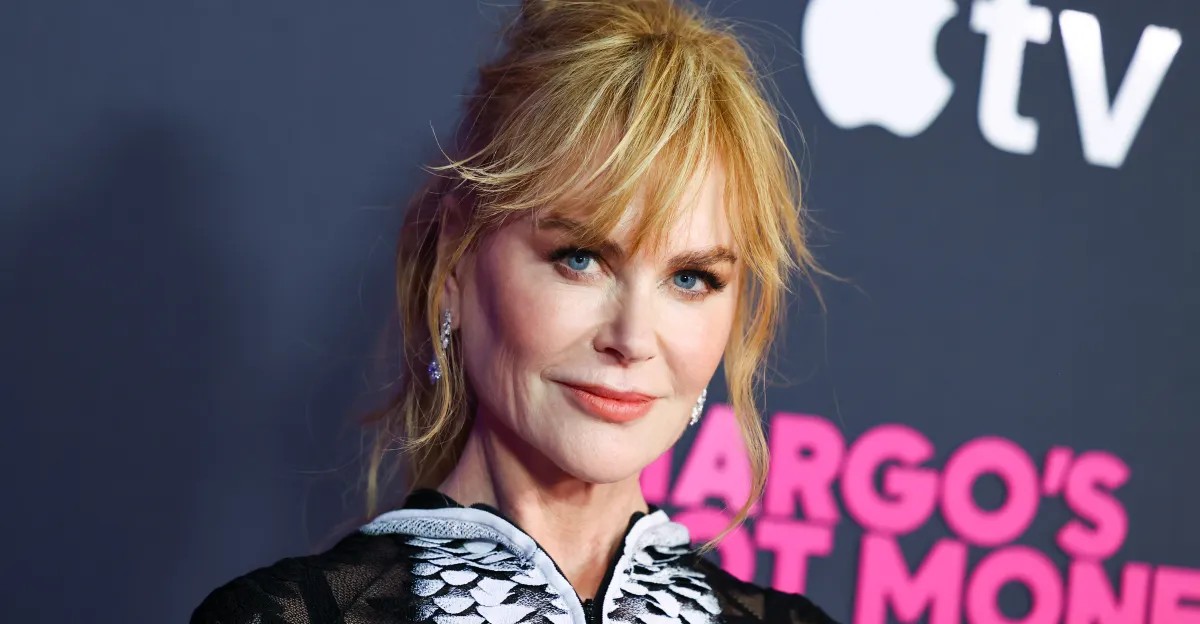
Такі високопоставлені постаті, як актриса Ніколь Кідман та режисер Хлоя Чжао, шукають новий шлях у кар’єрі — той, де немає червоних килимових доріжок, величезних гонорарів та гламуру. Натомість вони проходять навчання, щоб стати “дулами-провідниками смерті” (death doulas).
Хоча цей термін може здатися комусь незнайомим, ця роль є частиною зростаючого руху з надання немедичної підтримки вмираючим та їхнім сім’ям, які переживають горе. Подібний інтерес з боку публічних особистостей наголошує на глибокій культурній суперечності: наше суспільство все більше відривається від реальності смертності, але при цьому як ніколи потребує людської участі в кінці життєвого шляху.
Хто такий дула-провідник смерті?
Дула-провідник смерті (іноді званий супутником смерті) забезпечує емоційну, духовну та практичну підтримку. На відміну від лікарів або медсестер, які зосереджені на медичному втручанні, дули фокусуються на людському досвіді вмирання.
Їхня робота охоплює широкий спектр потреб:
– Практична допомога: допомога в організації справ, маркування речей для спадкоємців або сприяння організації похорону.
– Фізичний комфорт: надання базового немедичного догляду, наприклад, створення комфорту через дбайливий дотик або догляд за ротовою порожниною.
– Захист інтересів: роль сполучної ланки між пацієнтом та медичними установами, щоб гарантувати, що лікарі поважають волю пацієнта.
– Емоційна присутність: перебування поряд з вмираючим, щоб втішити його і запобігти самотності, яка часто супроводжує кінець життя.
– Підтримка у горі: допомога сім’ям у перші періоди після втрати.
Цікаво, що деякі дули також працюють із «тіньовими втратами» — глибоким горем, викликаним важливими життєвими переходами, такими як розлучення, безпліддя чи відхід із релігійної громади.
«Дефіцит турботи» в сучасному суспільстві
Зростання популярності дул-провідників — це пряма відповідь на кілька структурних змін у тому, як ми живемо та вмираємо:
- Фрагментована охорона здоров’я: Сучасна медична система створена для лікування хвороб та управління процесом вмирання, але в ній часто відсутня «золота середина» — цілісний, співчутливий догляд.
- Соціальна ізоляція: Оскільки сім’ї стають більш територіально роз’єднаними, а релігійне залучення знижується, традиційна «громада», яка колись супроводжувала смерть (розширені сім’ї та церковні групи підтримки), скорочується.
- Культурне уникнення: Сучасна західна культура часто ставиться до старіння і смерті як чогось, чого слід боятися, приховувати або «вирішувати» за допомогою дорогих антивікових технологій.
Як зазначила Ніколь Кідман, говорячи про смерть своєї матері, часто виникає ситуація, коли сім’ї хочуть виявити турботу, але виявляються пригнічені логістичними та емоційними вимогами життя, внаслідок чого людина, яка вмирає, почувається ізольованою.
Зміна перспективи: від страху до зв’язку
Чому люди, зокрема володіють величезним багатством і впливом, раптово тягнуться до цієї роботи? Для багатьох це спосіб зіткнутися з універсальною істиною, яку неможливо уникнути.
- Боротьба зі смертністю: Для режисера Хлої Чжао навчання стало способом впоратися з довічний страх смерті. Взаємодіючи з цим процесом, вона прагнула побудувати здоровіші стосунки з усвідомленням своєї смертності.
- Ефект пандемії: Експерти вважають, що пандемія COVID-19 змусила світ зіткнутися зі смертю віч-на-віч, позбавивши людей можливості ігнорувати її.
** Емоційна відкритість: ** Загальна культурна тенденція до вразливості та «сповідальності» в соціальних мережах зробила обговорення людського досвіду, включаючи смерть, більш прийнятним.
«Це не просто тренд чи мода, – каже Алуа Артур, засновниця організації Going With Grace. — Це щось давнє, що існуватиме в далекому майбутньому, довго після того, як я і Ніколь Кідман залишимо життя».
Висновок
Зростання інтересу до дулам-провідників смерті відбиває значний культурний зрушення: перехід від сприйняття смерті як медичного провалу, який треба приховувати, до розуміння її як глибокого людського досвіду, що вимагає спільності, присутності та спеціалізованої турботи.