It happened fast. Almost too fast for comfort.
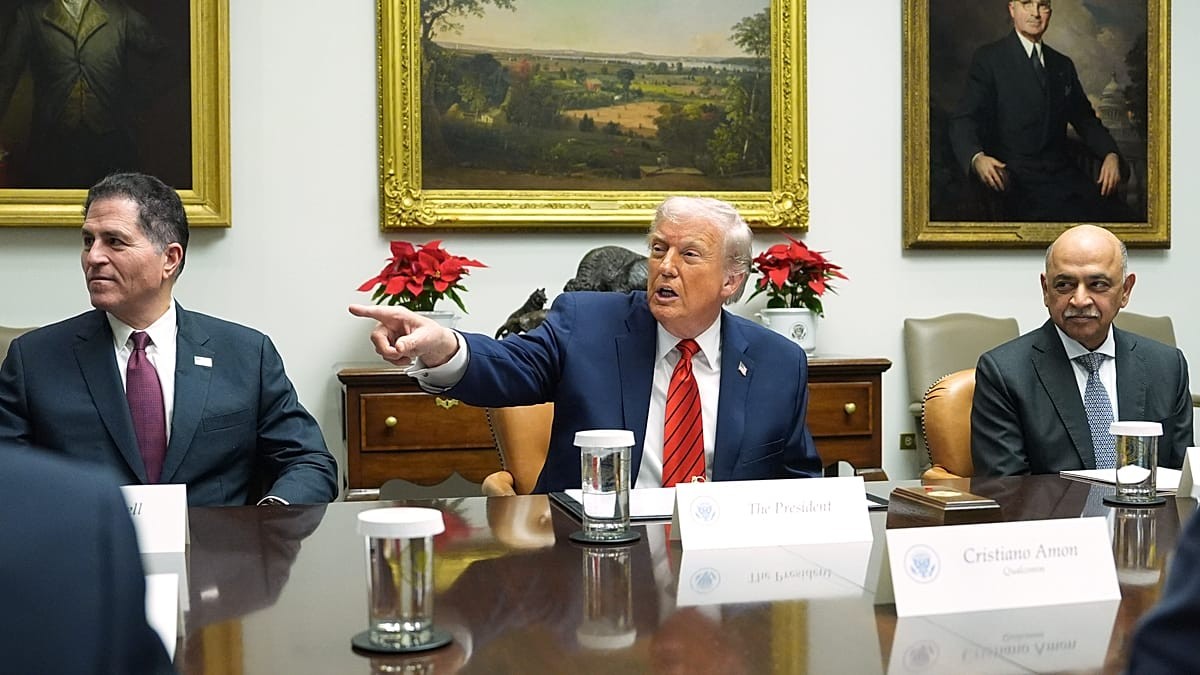
Dell Federal Systems just snagged a $9.7 billion contract with the US Department of Defense. Five years. That is a lot of money, spread across five fiscal periods, but the timeline is what really catches the eye. The announcement landed just weeks after President Donald Trump stood up and told the American people to literally “go out and buy” Dell.
Here is how the deal works. Under the Core Enterprise Technology Agreement (CETA), Dell becomes the central hub for Microsoft licensing. We are talking software subscriptions, cloud access, and on-premise tools. They are supplying the entire US military. The Coast Guard gets a cut of the attention. So do the intelligence agencies.
Consolidating fragmented tech budgets saves roughly $422 million every single year.
Kirsten Davies, the DoD’s Chief Information Officer, explained the math at the Pentagon briefing. It’s about efficiency. Or so it goes. By merging these budgets, the government claims to be smarter with its cash.
The market noticed, of course. Dell shares jumped 5% in pre-trading. They hit $320 per share. They had been sitting at roughly $305 when the bell rang. Then Thursday hits, and earnings reports are due. Zacks Investment Research expects revenue near $35 billion. A 50% annual growth projection.
That is a strong financial position. It also looks incredibly well-timed.
The Timing Is Sorely Tested
Three weeks. That is all the distance between Trump urging folks to buy the stock and the Pentagon awarding the massive contract.
Davies and Barry Tanner, the acting Navy CIO, insisted the process was rigorous. Tanner told reporters they compared vendors against GSA pricing schedules. They looked at value chains. Standard procedure.
Standard, yes. Convenient? That is the rhetorical question hanging in the air. Why did this happen now?
Dell has a history with Microsoft, sure. But this moment marks the peak of an alignment between Michael Dell and the White House. Back in December 2025, Michael and Susan Dell showed up at a ceremony for Trump. They pledged $6.25 billion to “Trump Accounts.”
This isn’t charity in the traditional sense. It’s a tax-advantaged fund for children, created by the “One Big Beautiful Bill.” The plan puts $250 into the hands of about 25 million kids. These kids must be ten or younger. Their households can earn no more than $150k a year. Invest America called it the largest private commitment ever to American kids.
Then there is Michael’s official role. He sits on Trump’s Council of Advisors on Science andTechnology. He helps shape policy on national security and emerging tech.
Following the Money
Then come the ethics questions. Or as the critics call it: the conflict.
Financial disclosures dropped this month from the US Office of Government Ethics. They revealed that accounts tied to President Trump held Dell Technologies stock in Q1 of 2026. Some of those shares were bought before he ever mentioned Dell at that White House event.
The Trump Organization has a line for this. The accounts are blind trusts, essentially. Third-party institutions manage the trades. Neither the President nor his family calls the shots.
Vice President JD Vance echoed this last week. He told reporters the President does not direct stock moves.
“He’s not making these stock trades himself,” Vance said.
But observers don’t care about the mechanism. They care about the perception. Critics have pointed to similar patterns with Intel and Palantir. Stocks spike when the President mentions them. Government contracts follow. It looks like a game of echo and return.
The Pentagon maintains its process was fair. The timing suggests otherwise, to some eyes at least.
Whether the money followed the endorsement, or the endorsement followed the money, nobody really knows for sure. What remains is a multi-billion dollar partnership wrapped in the smoke of political optics. The contract is signed. The software is rolling out. And the debate over where influence ends and policy begins is just getting started.