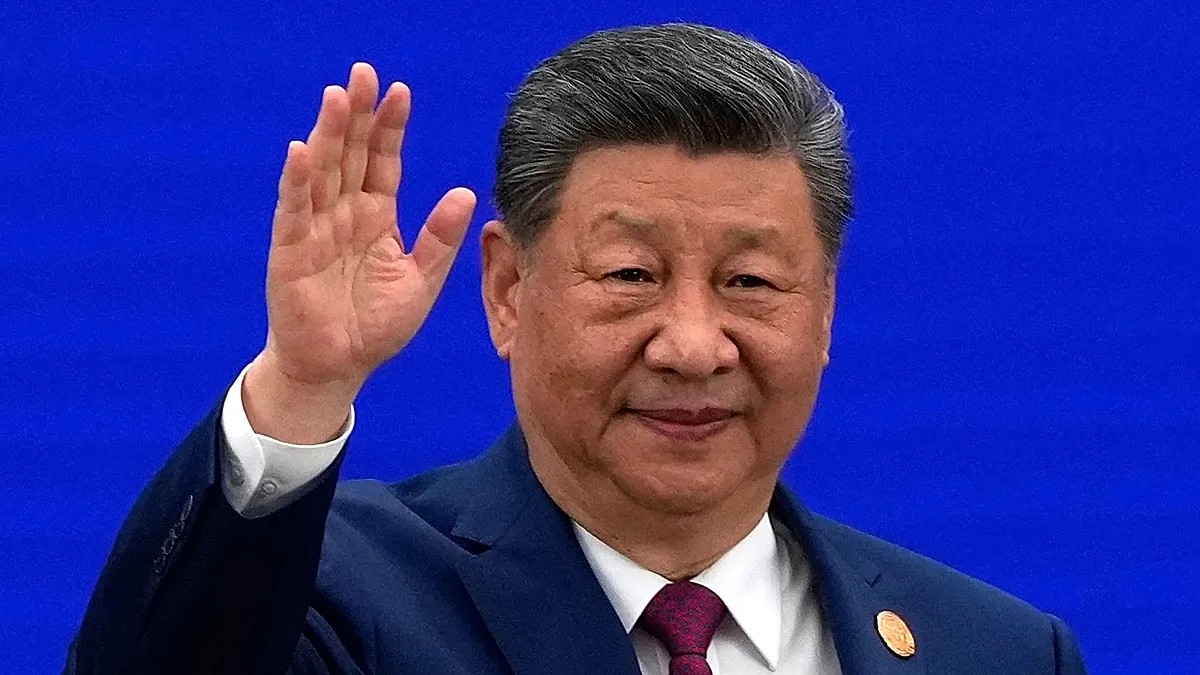
It is Friday. The World Artificial Intelligence Conference in Shanghai is open. Xi Jinping is not holding back. He has come to push back.
The US wants to squeeze China’s tech sector. Beijing’s response is not to build higher walls. It is to build bridges elsewhere. Xi called for a “global symphony” of AI development. No single nation should perform this solo. This is a direct critique of American-led curbs.
The phrase “overstretching national security” landed heavy. It refers to the US restrictions. These limits cut China off from advanced chips. They block access to top-tier AI hardware. Xi rejects this isolationist approach. He argues technology cannot be owned by one bloc.
This summit is not just talk. Several world leaders are here. Leaders from Kazakhstan, Cambodia, and Thailand are on-site. UN Secretary-General António Guteress is present too. Their presence signals growing geopolitical weight for Chinese AI standards.
China is offering concrete deals now. Over the next five years, Beijing will provide 5,000 training opportunities. Who gets them? Developing nations. This is soft power with technical teeth. Additionally, 30 countries will access a Chinese meteorological AI system. This system includes early-warning capabilities. For regions prone to weather disasters, this is valuable infrastructure.
The structure for this new era is already in motion. Two days prior, an agreement was signed. Twenty-nine nations participated. This includes Russia, Pakistan, and Kazakhstan. They formed the World Artificial Intelligence Cooperation Organisation. Its base is Shanghai. This intergovernmental body aims to standardize global AI cooperation outside Western oversight.
Technology firms are also making their moves. Huawei is exhibiting at the conference. It displayed the Atlas 950 SuperPod AI computing system. This showcases domestic hardware that defies export bans. It proves progress despite supply chain strangulation.
Beijing’s strategy targets a specific vacuum. The developing world is where the battle for AI influence is being fought. China believes it holds an advantage here. Western companies are often seen as too expensive or politically conditional.
Open-source models like DeepSeek are already moving in this space. They offer a cheaper alternative to US products. Price sensitivity matters in emerging markets. Chinese firms can compete on cost and accessibility.
The West watches. Beijing advances. The question is no longer if AI will be globalized, but who sets the rules. China wants its standards adopted. It wants to lead the global conversation on governance.
US restrictions may have closed one door. But in Shanghai, another is swinging wide open.