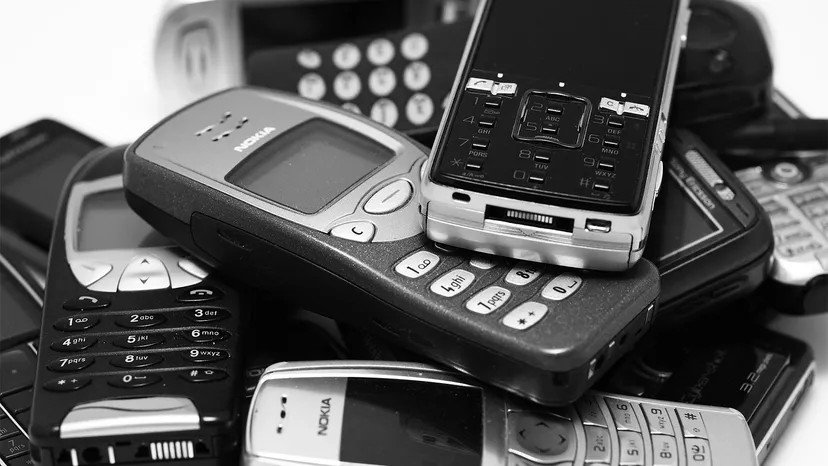
People buy new smartphones like they are fast fashion. Retailers push more than 1.5 billion devices annually. In the United States, the average user swaps out their phone every two years. The old one? It probably still works. Maybe it’s a little sluggish. Maybe the camera isn’t as sharp. But it turns on.
Don’t throw it in the garbage.
Seriously. Do not. Those lithium-ion batteries are fire hazards. In California, an estimated 65 percent of waste facility fires started because someone tossed a cell phone in a trash compactor. They explode. They burn. It is not worth the risk.
Then there are the materials. Phones are packed with copper, gold, and plastics. They are little treasure chests of recyclable tech. Yet the EPA says only about 20 percent of cell phones actually get recycled. The rest sit in drawers or end up in landfills.
You can fix that. Carriers have bins for this. But you can also donate. Charities partner with refurbishers to turn your dead tech into cash for causes. They wipe the data first, so your photos stay private. Here is where your old hardware can go to do some good.
Help soldiers call home for free
Cell Phones for Soldiers started in 2004. Two teens were upset after hearing about a soldier in Iraq who racked up an $8,000 phone bill. They wanted to fix that. Since then, they have collected over 20 million devices. They have given away more than 400 million minutes of talk time.
The process is straightforward. You send them your old phone. They sell it to a recycler or refurbisher based on its condition. The money buys long-distance calling cards for troops. One donated phone equals about one hour of talk time for a service member.
Support victims of domestic violence
The National Coalition Against Domestic Violence (NCADV) uses old tech to fund safety programs. They work with Cellular Recycler. That company takes your old phone, laptop, or MP3 player, refurbishes it if possible, and sells it. Some of that profit goes back to the NCADV.
They take more than just phones. Digital cameras, video game consoles, charging cords—everything goes. It helps keep phones out of landfills while funding shelters and support services.
Choose which charity gets the money
Second Wave Recycling lets you pick the cause. They accept phones, iPods, tablets, e-readers, smartwatches, and even charging cables. Functional devices get refurbished and sold. Broken ones get recycled. The cash from all of it goes to a charity of your choice.
Currently, they are heavily supporting the Wounded Warrior Project. But they have also funded medical patient charities, animal rescues, and domestic abuse survivors. You decide where the money lands.
Keep emergency lines open
Any phone sold in the U.S. can dial 911. Even if it has no SIM card. Even if it is five years old. As long as the battery holds a charge, it can call for an ambulance or police.
The 911 Cell Phone Bank collects these devices. They recycle them for specific uses. Some go to victims of abuse for emergency contact. Some go to law enforcement to replace broken screens on evidence phones. Others end up in classrooms for students learning to code apps. It keeps the hardware useful for safety and education.
Improve health care in developing nations
Why let your old tablet sit in a shoebox when it could help track disease outbreaks? Medic Mobile recycles and refurbishes devices. They use the funds to buy rugged mobile tools for health workers in 26 countries, mostly in Africa, Asia, and Latin America.
These devices register pregnancies. They monitor epidemics. They communicate medical emergencies in areas with little infrastructure. Your old Android phone becomes part of a global health network.
Old smartphone FAQs
What should I do with a broken phone?
If it works, donate it to one of the charities above. If it is dead, find an electronic recycling drop-off near you. Do not toss it in the trash.
Are old cell phones worth any money?
Not much. Demand is low for old models. If it is relatively recent and in good shape, you can try reselling it online. Wipe it first. Always wipe it first.
Is it safe to use an old Android phone?
Older phones lack modern security patches. Storing financial data or passwords on them is risky. It might be safer to recycle it and buy a newer model. Or just use it for offline tasks.
What was the first smartphone?
IBM launched the Simon Personal Communicator in 1992. It hit the public market in 1994. It was bulky. It was expensive. It was replaced quickly by better tech.
Is Android 5 still safe to use?
It lacks the security updates that protect today’s devices. You can use it, but be careful. Do not bank on it. Consider updating with external software additions if you must keep using it.
More to consider
There are lots of ways to handle your old tech. The key is to move it out of your drawer. Whether you sell it, recycle it, or donate it, the goal is the same. Keep the batteries out of the fire. Keep the metals out of the dirt. Give the device a second life.