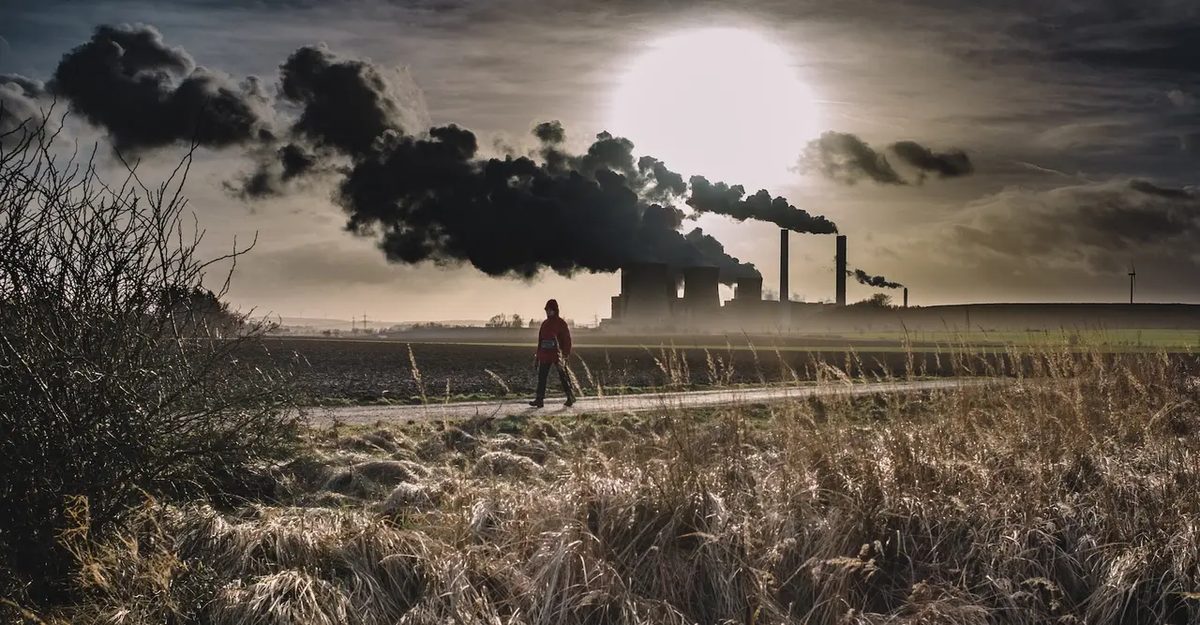
An industrial risk isn’t just a distant concept found in safety manuals. It is a specific type of accidental event happening at an industrial site. The fallout is immediate. People working there. Neighbors living nearby. Property. The environment. All of it can be impacted at once.
This kind of danger mostly comes from two heavy-hitting sectors. You have the chemical industry. This covers everything from fertilizers for food production to bleach for your laundry room. Then there is the petrochemical sector. These are the sites where raw materials are transformed into products we use every day.
But the label “industrial risk” is only part of the story.
There is a broader term you might encounter: technological risk. It stretches further than factory gates. It includes how dangerous materials are handled, transported, or stored. It encompasses nuclear threats and biological hazards too. Industrial accidents are just one subset of this larger technological umbrella.
To get it right, we need to separate two words that often get mixed up. Danger. Risk.
A danger comes from the inherent properties of a product or equipment. A volatile chemical is dangerous because of what it is. Risk is different. Risk is the exposure of a target to that danger. If you are standing there breathing it in, you are exposed. The danger was always there. The risk is the chance it hits you.
Think about someone handling a volatile chemical. They are exposed to inhalation risk. The consequence? Irritation in the airways. Simple cause. Direct effect.
Understanding this distinction matters. Not everyone working with these materials faces the same level of exposure. Some are protected. Some aren’t. The difference between a controlled hazard and a real accident often comes down to that exposure.
Why do we need precise definitions? Because policy follows language. Regulations for chemical storage differ from those for nuclear transport. If we lump them together, we might miss the specific safeguards each requires.
The chemical industry produces goods for many sectors. Agro-food needs fertilizers. Pharmaceuticals need complex compounds. Consumers need cleaning products. Each step introduces potential dangers. Storage. Mixing. Transport. Each phase carries its own set of risks.
It is not just about big explosions. The immediate consequences can be subtle. A leak. A spill. A fume. These affect personnel first. Then the population nearby. Then the soil and water. The chain reaction is physical. It is chemical. It is human.
We often think of these risks as belonging to someone else. The factories. The corporations. The government regulators. But they are connected to the supply chain. To the products on our shelves. To the air we breathe in suburban neighborhoods.
The definition is strict. An accidental event. Immediate consequences. Specific targets. But the reality is fluid. Materials move. Processes change. New compounds are developed constantly. The risks evolve with them.
Knowing what these terms mean helps you read the news differently. When a report mentions a “technological risk,” it is pointing to a wider net. When it specifies “industrial,” it is narrowing the focus to manufacturing sites. The nuance changes the response. And the response changes the outcome.
Does a closer definition mean a safer environment? Or does it just help us classify the disaster more neatly after it happens? That is the question hanging in the air.

Why Industrial Regulations Still Can’t Stop Accidents
The European Seveso directive sets the baseline for industrial hazard management. Sites classified under Seveso face strict regulatory oversight. But rules alone don’t guarantee safety. France tightened its approach after the AZF fertilizer plant explosion in Toulouse on September 21, 2001. That disaster prompted the creation of the “Risques” law. It aims to better control both industrial and natural hazard prevention. It also addresses damage compensation. Urban planning near classified installations became a key focus. The goal is to limit exposure when things go wrong.
Yet accidents still happen. France’s Bureau for Analysis of Industrial Risks and Pollutions (Barpi) tracks all technological incident data. In 2017, 1,630 accidents were recorded. Of those, 67% involved classified installations. Fires and hazardous material releases made up nearly 95% of cases. That’s not a marginal share. It’s the dominant pattern.
The Gap Between Policy and Reality
Regulations like Seveso and the French “Risques” law exist to create order. They mandate risk assessments. They require emergency plans. They restrict urban development near high-risk sites. But implementation varies. Compliance isn’t automatic. Human error, aging infrastructure, and complex chemical interactions can bypass even well-designed frameworks.
Barpi’s data shows a recurring theme: fire and chemical releases. These aren’t obscure edge cases. They’re common, predictable failures when safety systems degrade or are mismanaged. The 2017 figures aren’t anomalies. They reflect systemic vulnerability.
What This Means for Everyday Users
You might live miles from a classified installation. But risk isn’t always about proximity. It’s about supply chains, transportation routes, and shared infrastructure. A fire at a chemical plant can release toxins into the air. A spill can contaminate water sources. Regulations aim to mitigate these effects. But they can’t eliminate them.
The “Risques” law emphasizes urban planning. It tries to keep residential zones away from high-risk sites. But cities grow. Pressure for housing and economic development often outweighs caution. The result? Communities built near hazards despite warnings.
The Limit of Data Collection
Barpi’s role is crucial. It collects incident data. It analyzes trends. It informs policy. But data doesn’t prevent accidents. It only documents them. The 2017 stats show where the problems lie. They don’t fix them.
Fires and hazardous releases dominate the records. That suggests a need for better fire suppression systems. Stricter chemical handling protocols. More frequent safety audits. But funding, political will, and corporate priority often lag behind.
A Persistent Challenge
Industrial risk management is a constant balancing act. Regulations provide structure. But enforcement is uneven. Human factors introduce unpredictability. And the consequences of failure can be severe. The AZF explosion changed French law. But it didn’t solve the underlying issue: complexity breeds risk.
Barpi’s data continues to highlight the same problems. Fires. Chemical releases. Classified installations. The pattern hasn’t shifted significantly. That’s not a failure of data collection. It’s a reflection of persistent vulnerability.
Looking Ahead
Will future incidents follow the same pattern? Likely. Unless there’s a fundamental shift in how industrial risk is prioritized. Not just in policy documents. But in daily operations.