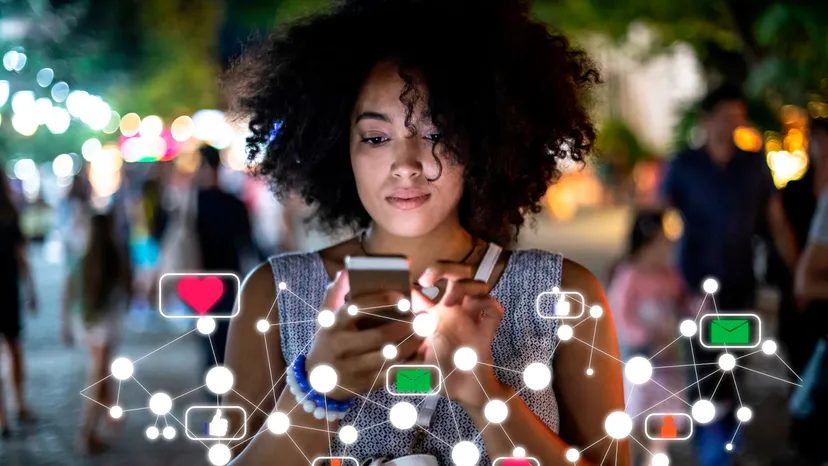
Social media is a polarizing force. It connects us across continents, yet it isolates us in our own living rooms. The landscape shifts constantly, but the current giants remain: Facebook, X (formerly Twitter), Instagram, Pinterest, and LinkedIn. We use them to track celebrities, find dinner ideas, or hunt for jobs. But beneath the utility lies a darker reality. There are compelling reasons to step away.
The Pressure to Participate
It is no longer a choice. Society expects you to have a digital footprint. Employers assume you understand these platforms. They expect you to use them. But why should a professional requirement dictate your personal life? If the noise isn’t serving you, leave. You don’t owe an explanation to the digital crowd. Conformity is a trap. Quitting is an act of rebellion.
The Illusion of Connection
Count your friends on Facebook. Is it 500? 1,000? How many of those names actually matter? Social media tricks you into feeling intimate with people you barely know. You see their highlights. You miss their struggles. The profile is a curated gallery, not a diary. Real relationships require presence. They demand phone calls. They require showing up in person. Stop diluting your social capital with hundreds of superficial connections. Focus on the few who count.
Your Digital Footprint is Permanent
Hiring managers check your history. They look for red flags. Did you post that photo from the chaotic party? Do you vent your political fury in real-time? The internet never forgets. Even if you delete the post, the screenshot lives on. Air your grievances elsewhere. Protect your reputation. It’s easier to quit now than to apologize later.
The Negativity Trap
Scroll through your feed. What do you see? Outrage. Grief. Complaints. People use these platforms to vent stress. But reading that negativity doesn’t help the poster. It drains the reader. You absorb that heaviness. You carry it home. Shutting down your accounts removes you from this toxic feedback loop. Redirect that energy inward. Focus on your own mental health.
Information Overload, Not Education
We spend hours scrolling. Are we learning? Or are we just watching? I’m not talking about your cousin’s child eating solids. I mean substantive knowledge. Life advice. Personal growth. Where is it? It’s buried under drama. It’s hidden behind clickbait. The content that matters is rare. The content that triggers a dopamine hit is everywhere. Reclaim that time. Use it for actual education.
You Are the Product
Social media sites claim to be about community. They are about profit. Every like. Every comment. Every photo. It’s all data. Companies harvest this information. They sell it to advertisers. They sell it to third-party brokers. You are not the customer. You are the product. This alone should be enough to make you walk away.
Addiction is Real
It’s not just a habit. It’s an addiction. We’ve moved past moderation. Treatment centers are now treating social media dependency. Researchers at the University of Bergen developed the Bergen Facebook Addiction Scale to measure this. It tracks usage habits and emotional reliance. The scale exists because the problem is widespread. Breaking the cycle is a health necessity.
Living in the Moment
Have you tried watching a concert while recording it? Most people can’t enjoy the music. They’re focused on framing the shot. They’re worried about battery life. The experience is filtered through a lens. It’s the same at dinner. The perfect food photo kills the mood. It kills the connection. Quitting lets you live in the moment. Memory serves you better than a blurry JPEG. Years later, the feeling of the music will matter more than the image.
The Comparison Trap
Your self-esteem takes a hit. You see a friend’s trip to Thailand. You feel inadequate. You see a new house. You feel small. Engagements. Babies. Promotions. The feed is a highlight reel of everyone else’s success. It’s designed to make you feel lacking. Quitting stops the comparison. It’s hard to envy a sports car you don’t know exists. Protect your peace.
The digital world is loud. It demands your attention. It profits from your insecurity. The choice to leave is yours. It’s not about going offline forever. It’s about taking control. The silence might be strange at first. But it’s yours.
The Time Tax You Don’t See
You probably don’t feel like you’re drowning in screen time. You check your feed, scroll for a minute, close the app, and move on. It feels harmless. Invisible. But if you actually tallied up every minute spent doom-scrolling across all those platforms, the number would likely shock you.
New data points to a staggering average of 1.72 hours per day on social media sites. That is nearly two full hours vanishing from your life every single day. We constantly complain about having too little time. Quitting social media might be the most effective way to reclaim it.
Think about what you could do with an extra two hours. You could finish a workout. Cook a fresh, nutritious meal instead of ordering takeout. Read a chapter of a book. The possibilities are endless, yet they remain untapped because we are busy staring at screens.
Why It Feels Like It Takes Less Time
The reason you don’t notice the loss is that social media is designed to be frictionless. There is no natural stopping point. You swipe, and the next piece of content loads instantly. Your brain doesn’t register the passage of time because the engagement is fragmented into tiny, dopamine-fueled bursts.
This is not just about willpower. It is about design. Platforms are optimized to keep you engaged for as long as possible. Every notification, every infinite scroll, is a pull to keep you from leaving. The result? You lose track of the hours.
Reclaiming Your Hours
The solution isn’t necessarily to delete every account tomorrow. It is to become aware of the time sink. Set a timer. Use app limits. Or try a more radical approach: take a break.
Consider how much more you could accomplish if you redirected those 1.72 hours toward something tangible. Learning a skill? Cleaning your house? Spending time with family? The time is already there. You just have to decide to take it back.
“The average person spends 1.72 hours per day on social media sites.”
This isn’t about shaming you. It is about highlighting a massive inefficiency in your daily routine. If you want to change your life, start by changing how you spend your time. The clock is ticking. Are you using it, or is it using you?