C lets you create chaos or clarity with pointers. It depends on how you look at it. The language allows any number of pointers to point to the exact same memory address. This isn’t a bug. It’s a feature.
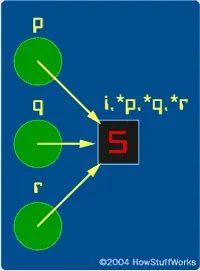
Take i. Declare p, q, and r as integer pointers. Point them all at i. The code looks like this:
Simple enough. But what happens under the hood?
Pointers Are Just Addresses
In the example above, r doesn’t point to p. It points to what p points to. Which is i.
When you assign one pointer to another, the address is copied. The right-hand side value moves to the left-hand side variable. After execution, i has four names. i. *p. *q. *r.
They are all different labels for the same chunk of RAM. You can create as many pointers as you want. The limit is your memory, not the language.
Why This Matters
This behavior changes how you manage data. If you pass a pointer to a function, any changes made through that pointer affect the original variable. If multiple functions hold pointers to the same address, they all see the same changes.
It creates shared state. Useful for caching. Dangerous if you lose track of who is writing where.
There is no limit on the number of pointers that can hold and point to the same address.
This flexibility is powerful. It is also tricky. One pointer modifies the value. All the others see it immediately. No synchronization needed. Just raw memory access.
Think about debugging. If a variable changes unexpectedly, check all pointers. Any of them could be the culprit. They all have the same power. And the same responsibility.
It is not complex logic. It is simple pointer arithmetic. But the implications ripple through your entire program. One address. Many names. All connected.