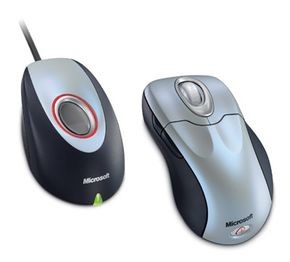
Do not enter your password. Start scanning your finger.
It sounds like a scam until you realize how many times a day you fumble for a keyboard just to unlock the devices you own. Enter the biometric mouse. It’s not just a peripheral with a coating. It is a hardware-level gatekeeper.
These devices integrate the fingerprint sensor directly into the hardware. Usually the sensor is located in the mouse itself, but rarely in the USB receiver. The goal is simple. Only authorized users can move the cursor. Only they have access to the computer.
How it really works
The process is less about magic and more about simple matching. The mouse comes with software. The software registers your fingerprint. It stores the data for specific authorized users.
Once you’re registered, your workflow will change. No need to enter complex password strings. Place your finger on the sensor. The system verifies the match. Unlock the screen.
“This feature improves security and convenience by allowing you to log in securely with a fingerprint instead of a password.”
This convenience is a selling point. But the safety aspect makes it worthwhile. Passwords can be shared. They can be stolen. They can be guessed. Fingerprints are difficult to imitate in an everyday environment.
Encryption function
Some of these mice go beyond simple login access. Bundled software often includes file encryption and decryption tools. This means that the same hardware authentication method can be used to protect sensitive documents.
It is not a substitute for a complete enterprise security package. It’s one layer. Fast physical layer.
If you want to understand its mechanism better, you need to understand how fingerprint sensors work. The technology behind these mice is the same technology used in high security laptops. It uses optical or capacitive sensors to map the unique ridges and valleys of your skin.
Who is this for?
You may be a remote worker. Or work in a shared space. You don’t want someone looking over your shoulder to see your password. You also don’t want to remember new passwords for each device.
A biometric mouse solves both problems. It’s fast. It’s safe. And keeps your fingers off the keyboard.
Is it necessary? It may not suit everyone. But for those tired of the login dance, it’s a small change that makes a big difference. The market for these devices is a niche market. This means that you may buying into a specific ecosystem. However, the ease of access is excellent.
Security is often about friction. We want it high for attackers and ours to be low. The biometric mouse tries to find that sweet spot. They might not always land it. But they certainly try.