Apple’s original tools are very strict. iTunes fills your computer with full system backups, while iCloud quietly stores your data in the cloud, and if you’re not careful, you can often end up overwriting the data you want to keep. Tenorshare iCareFone sets out to break this cycle. This is a desktop application designed to give you precise control over your iPhone, iPad and iPod touch data.
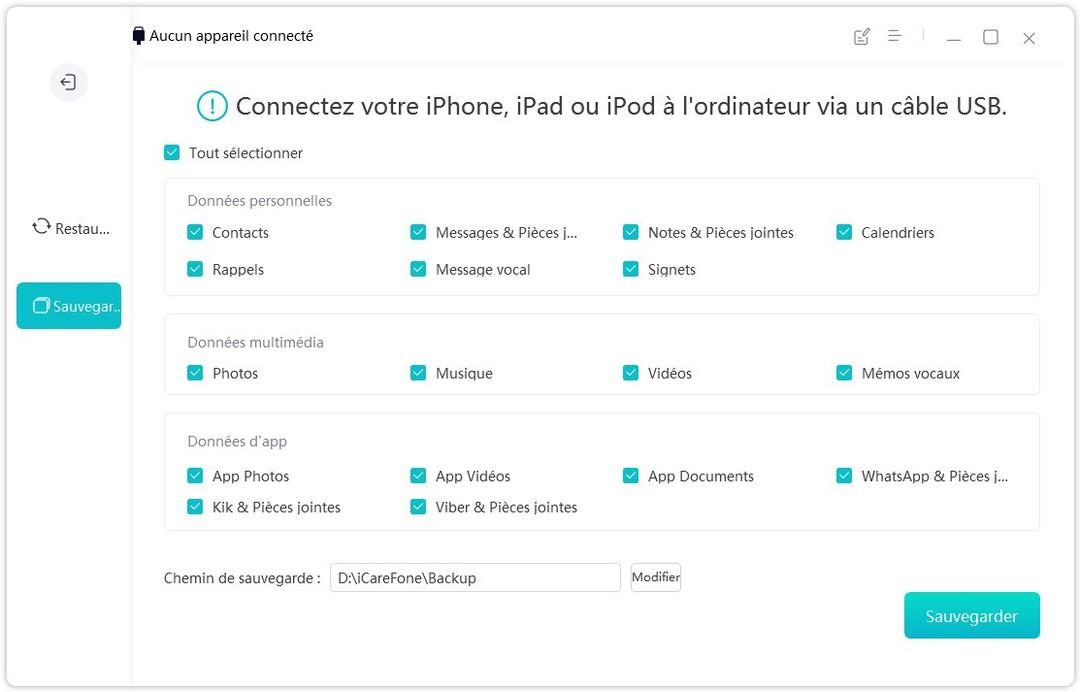
The key attraction here is flexibility. iCareFone lets you choose instead of an “all or nothing” approach. You can back up specific contacts, export specific albums, and forward messages without touching other parts of your device. This selective recovery is a game changer. You can restore only the data you need to your new or old phone without deleting existing files. This avoids the “Restore from backup” button, which usually overwrites everything currently on the device.
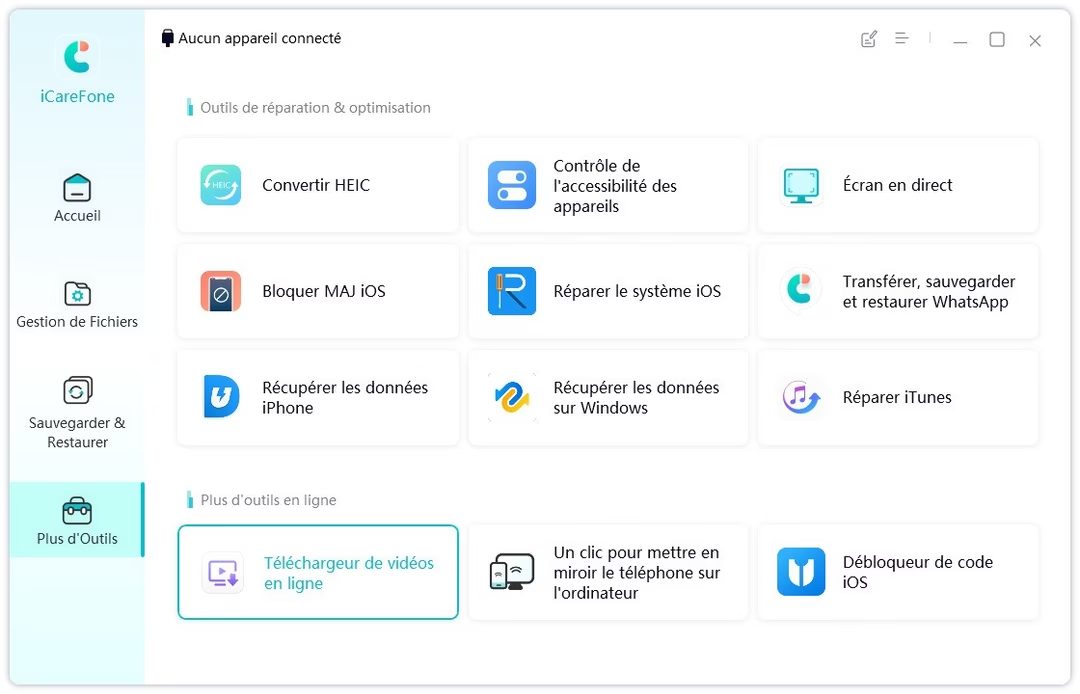
How iCareFone handles iOS data management
This software acts as a bridge between your computer and your Apple device. Supports Windows (.exe) and macOS (.dmg). If Linux is not supported, it cannot be used directly on Android or iOS devices. Requires PC or Mac to run. A USB cable is required.
After installation, the user interface is very clean. Don’t drown in jargon. This makes it more accessible to non-technical users. But don’t be fooled by its simplicity. Under the hood, it deals with complex data structures.
The pricing model is a hybrid model. There is a free version. Here’s how to explore the basics. You can transfer photos, manage contacts and process certain types of files without paying. This helps test the waters. However, a license is required for heavy lifting. Batch media transfer, full data recovery of deleted files, and advanced system repair features are available for a fee. For most casual users, the free tier may be enough for simple tasks. Advanced users may need the premium version to take full advantage.
The importance of compatibility and updates
Apple continues to change protocols. Newer versions of iOS often stop older third-party tools from working. Tenorshare solves this problem by releasing updates frequently. These patches ensure compatibility with the latest iPhone and iPad models. It also fixes security holes and fixes bugs caused by iOS changes.
You can manually check for updates within the app. Alternatively, you can set it to update automatically. This is very important. Using old versions of iCareFone against newer iOS versions often results in connection errors and backup errors. The developer also archives older versions on the website. If the new update is incompatible with the old operating system, you can restore it. This is a rare but valuable feature for users with older devices.
Why this matters to everyday users
Most people think of mobile data as temporary. They think iCloud already has it covered. But iCloud also has its drawbacks. A sync error occurred. If you accidentally remove it, the problem persists on other devices. In some cases, you may want a local copy that you control.
iCareFone offers that control. This allows you to extract data in a usable format. You can view messages as text files. You can export photos in their original resolution. This is more than just a backup. It is data ownership.
This tool fills a gap that was overlooked by Apple. Apple wants users locked into its ecosystem. Third-party tools like iCareFone provide an escape hatch. They allow you to transfer data between devices of different ages and even between devices of different brands (with some limitations). You can see what’s actually on your phone.
Is it perfect? No software is. The free version has limitations. Installation requires a desktop computer, which may be a barrier for some people. If you need features beyond iTunes, this is a great option. Turn the opaque black box of iOS into something you can truly control.
The iOS management environment is changing. As Apple tightens its security, third-party tools have to work harder to maintain access. iCareFone stays competitive by prioritizing regular updates and a user-friendly interface. It doesn’t promise magic. It promises control. At a time when digital privacy is increasingly fragmented, this is a huge advantage.
What will happen when cloud providers can finally see exactly what’s on your devices instead of hiding them? The answer is that you have a more intentional relationship with technology.
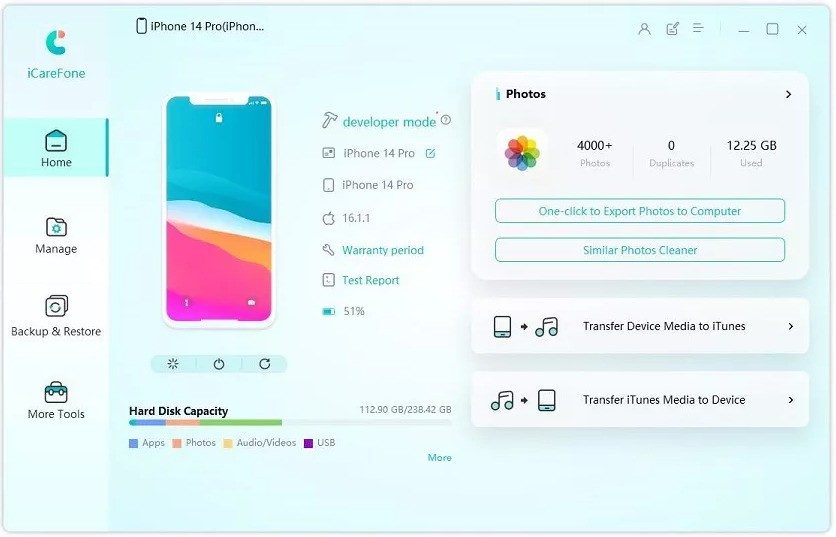

The biggest problem with traditional Apple tools isn’t a lack of functionality, it’s a lack of control. By providing powerful local backup, iCareFone avoids reliance on the cloud, which frustrates many power users. There are no external servers. No Apple iCloud overhead. Just your device, your computer, and your data. This local-only approach is a game changer for people who hesitate to click the Backup button because they can’t trust where their photos and messages are stored.
It also fixes the rigidness of iTunes. Remember when you tried to restore your entire device only to restore three specific contacts? iCareFone allows you to perform a selective restoration. Extract specific messages, photos or app data without wiping your entire phone. It’s granular. It’s precise. This is something users have been asking for ever since syncing became a headache.
The transfer capabilities bridges the gap between iOS and the desktop more effectively than the built-in Finder or iTunes. It handles media files, contacts, notes, calendars and even app data. This is very important for mid-range iPhone users with limited storage space. Instead of frequently uninstalling apps to make room for gigabytes of photos, you can easily offload them to your computer. Your workflow is smoother, your management is clearer and your storage worries are gone.
How iCareFone competes with iMazing and Dr.Fone
When looking at the landscape of third-party iOS management tools, the competition is fierce. iMazing is the gold standard for many hobbyists. Dr.Fone is a jack-of-all-trades. Syncios is another candidate. iCareFone is not trying to beat them at their own game. It has established itself as a versatile and easy-to-use option.
The free version of iCareFone has great features. It covers the essentials: transfer, backup, and restore. You don’t have to pay to move your photos to your desktop. Backing up contacts does not require a subscription. This significantly lowers barriers to entry. However, if you need advanced recovery (such as recovering data after accidental deletion) or system repair tools, you’re pushed toward the premium tier. Yes, these features are powerful, but they are locked behind a paywall.
Tenorshare’s pricing model is practical. You can buy a 1-year license, a 1-month temporary license or a perpetual license. Pricing is based on the number of managed devices. It’s not strictly free for unlimited use, the free tier may be just what you need for casual users. Students and teachers may find promotional offers, but don’t expect to receive a free lifetime license for professional use.
Why local data management is more important than ever
We live in an era where mobile devices hold our entire lives. Memories, financial information, work documents, all on a 6-inch screen. The rise of third-party tools like iCareFone isn’t just about convenience. It’s about data sovereignty. Users are increasingly wary of cloud dependency. They want to know that their data is secure, local and under their direct control.
iCareFone responds to this change by prioritizing integrity and confidentiality. Helps prevent accidental loss of important files and memories. For professionals, efficiency is key. For the average user, this is a relief. Tenorshare’s ecosystem supports this with tutorials, articles and guides. No certification is required to use it, but self-taught users can take advantage of advanced features. The software is regularly updated to keep up with iOS changes, so your backups remain reliable even when Apple releases new updates.
Conclusion about iOS data management
iCareFone has created a niche for itself. This is not the most expensive or complicated tool. The reliable choice for transferring, backing up and restoring data on iOS devices running Windows or macOS. The basic functions are fully functional even in the free version. The paid version adds a safety net for system errors and data recovery.
For users fed up with the limitations of iTunes or concerned about the privacy implications of iCloud, iCareFone offers a practical middle ground. It’s accessible. It’s performant. It’s safe. Whether you’re a student in control of your phone or a multi-device professional, it offers the control that Apple’s native tools often lack.
However, there are always caveats. No software is perfect. Bugs happen. Updating breaks things. The world of technology is developing rapidly. iCareFone keeps up, but ultimately you are responsible for your data. Be sure to check your backups. Check your files often. Tools can help, but they cannot replace thinking.

You are about to download Tenorshare iCareFone, but before you double-click that installer, you need to know if your machine can actually handle it. This isn’t just another cloud wrapper. It is a local utility designed to manage iOS data directly on your hard drive. Stability depends on a wired connection. Wireless shortcuts often fail during heavy lifting.
The software runs on both Windows and macOS. It supports iPhone, iPad, and iPod touch. But the hardware requirement is specific. You need a USB port. Preferably a working one, not a broken port on the back of your PC tower. The connection type matters too. Lightning or USB-C cables are standard. Use a certified cable. Cheap third-party wires often interrupt the data stream mid-backup.
Licensing and Supported Platforms
Tenorshare uses a freemium model. This means you can download and evaluate the core features for free. Advanced functions—like selective restoration or transferring specific app data—require a premium license. This allows you to test the waters before paying.
The installer comes as a .exe for Windows and a .dmg for macOS. Language support is broad. English and French are included, among others. The category is clearly Utilities > Backup & iOS Management. It does not attempt to replace iCloud. It complements it by keeping data on your machine.
Data Handling and Privacy
The biggest selling point for privacy-conscious users is the local processing. iCareFone does not upload your photos or messages to a Tenorshare server by default. The data stays on your computer. This is significant. It means your digital life remains yours. No third-party cloud storage is involved in the backup or restore process unless you explicitly choose to move files elsewhere after the fact.
Supported data types are standard iOS fare:
– Photos and videos
– Contacts and calendar events
– Messages and notes
– Music and app data
You can perform full local backups. You can also restore selectively. This is useful when you switch devices and only want to move your contacts, not the entire 50GB of app cache.
Technical Prerequisites and Setup
Internet access is required for one thing only: downloading the software, activating your license key, and checking for updates. Once installed, you can operate entirely offline. This is a relief for users with slow or capped connections.
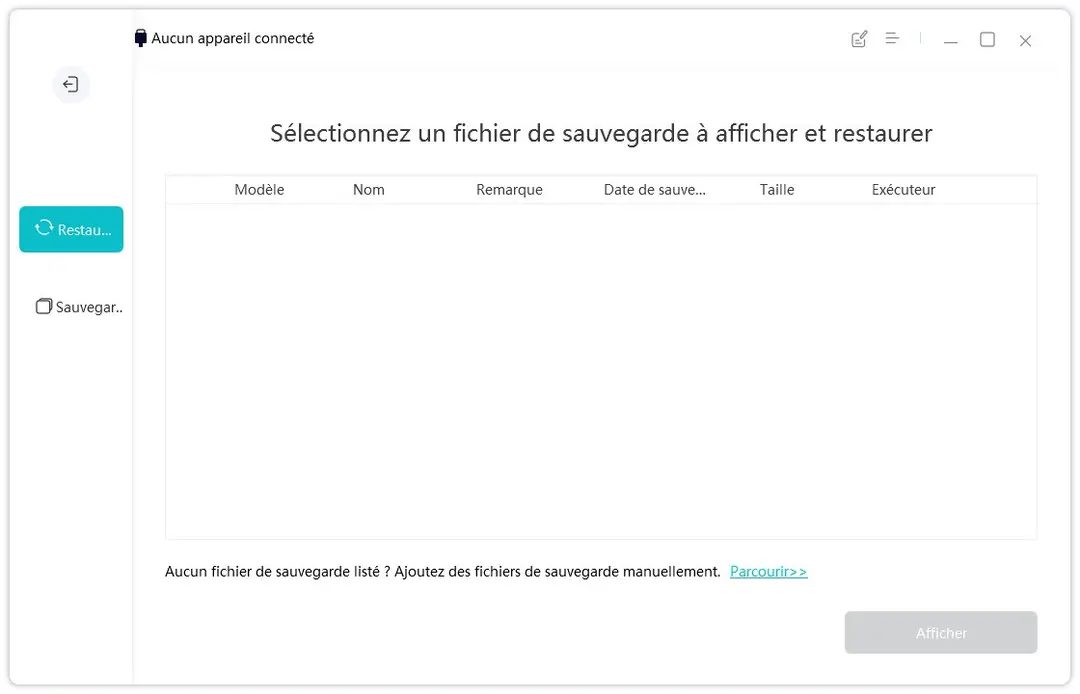
However, the initial setup has dependencies. Windows users, take note. You must have the Apple Mobile Device drivers installed. Without these, the computer cannot see the iPhone. macOS users generally have these built-in, but it is worth verifying. If the device doesn’t appear, check your drivers.
Disk space is another factor. Backups consume storage. If you are backing up a phone with 256GB of content, you need free space on your drive to hold that archive. The installer size varies by edition and platform, but the backup files will be substantial.
Connection and Stability
A stable connection is non-negotiable. Use the cable that came with the device if possible. Avoid USB hubs. Hubs can introduce latency or power fluctuations that break the sync. Plug directly into the computer’s motherboard or chassis.
The software handles the backup process locally. This gives you control. You can keep archives on multiple drives. You can move them to an external hard for long-term storage. This flexibility is why many users prefer desktop tools over cloud-only solutions.
Why Local Backup Matters
Cloud services are convenient until they aren’t. Account lockouts. Sync errors. Unpredictable compression. Local backups offer a snapshot you can trust. iCareFone provides this snapshot without the monthly subscription fee for storage tiers. It is a one-time or periodic tool.
The freemium structure lets you assess if the selective restore feature meets your needs. If you only need to recover deleted photos, the free version might suffice. If you need to migrate app data between iOS versions, the premium version is likely necessary.
Final Considerations
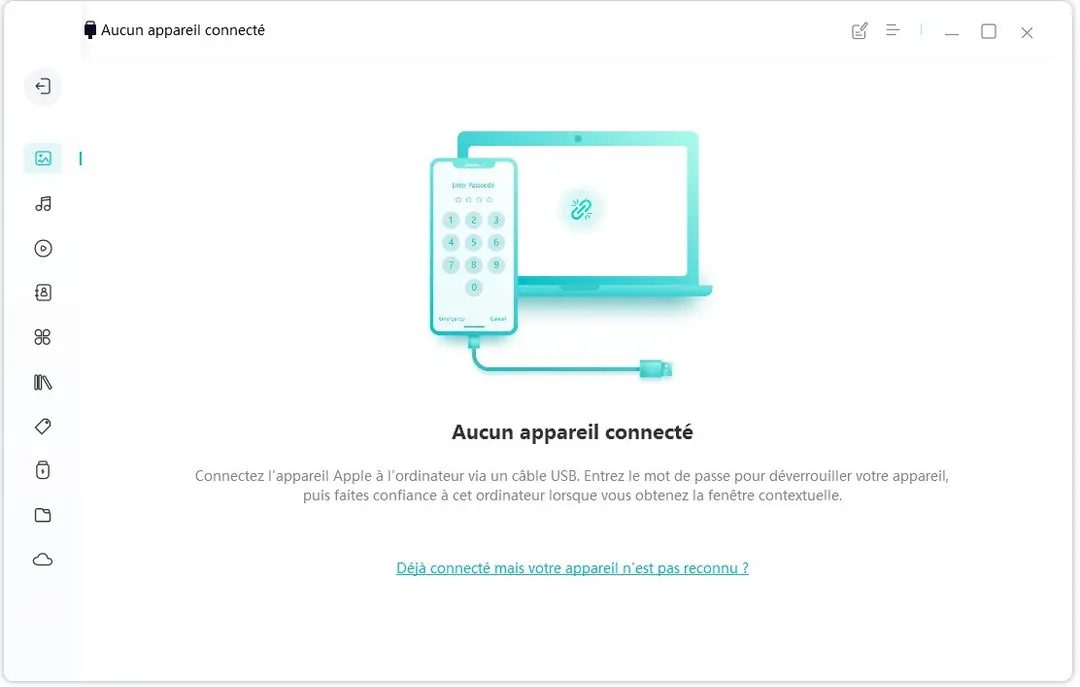
Check your cable. Verify your drivers. Ensure you have space. These small steps prevent most failure points. The software itself is straightforward. It detects the device via USB. It creates a local archive. It allows selective restoration.
The process is direct. No complex configurations. No cloud account linking required for basic functions. This simplicity is its strength. It removes the friction of managing multiple online services.
Just remember that no tool is magic. If the hardware fails, the backup fails. Keep copies in different places. An external drive is a cheap insurance policy. iCareFone gives you the tool to create that insurance. You just need to pull the lever.


The Hidden Cost of Convenience: Why Your “Smart” Devices Are Listening
We’ve all been there. You mention a pair of running shoes to a friend, open your phone an hour later, and there they are. Ads. Everywhere. It feels like magic. Or surveillance. Or both.
The truth is less dramatic and more bureaucratic. It’s about data aggregation. Companies don’t just listen to your voice. They track your location. They analyze your browsing history. They look at what your friends buy. And then they stitch it all together into a profile so precise it feels like mind-reading.
The Illusion of Choice in App Permissions
When you install a new game, the screen flashes. Allow access to photos? Allow microphone? Allow location? You tap “Allow” because you want the game to work. Because you’re tired. Because you don’t read the fine print.
This is where the real transaction happens. You trade privacy for functionality.
Consider a flashlight app. Why does it need your contacts? Or your precise GPS coordinates? It doesn’t need them. But the developer collects them anyway. They sell that data. Not to the game company, but to third-party analytics firms. These firms build models predicting your behavior, your spending habits, even your political leanings.
You didn’t agree to this. You agreed to turn on the light.
How Behavioral Tracking Actually Works
It’s not just about what you click. It’s about what you hover over. How long you stare at a product. Whether you scroll past it or pause. These micro-interactions are logged. They create a heatmap of your attention.
Ad networks use this data to bid on your attention in real-time. When you open a news site, dozens of advertisers compete for a split-second slot. The highest bidder wins. Their ad appears. You see it. You might click it. You might not. But the data from that non-click is still valuable. It tells them you’re interested, but not ready to buy. Or perhaps you’re allergic to that brand.
This is programmatic advertising. It’s automated. It’s fast. And it’s everywhere.
Where Your Data Goes After You Click
You click the ad. You buy the shoes. Good for you. Now what?
The seller gets your address. The payment processor gets your financial data. But the ad network? They get a confirmation. A “conversion” event. This tells them the strategy worked. So they show you similar ads. Maybe socks. Maybe a discount code for next time.
But the data doesn’t stop there. It flows to data brokers. These are the invisible middlemen who buy and sell your digital footprint. They don’t care about the shoes. They care about the pattern. The fact that you bought athletic wear in March. The fact that you live in a suburb. The fact that you’re between 25 and 34 years old.
They package this profile. They sell it to insurance companies. To employers. To political campaigns. You become a segment. A statistic. A target.
Which Privacy Tools Actually Work?
You can try to fight back. Use a VPN. Encrypt your messages. Disable tracking cookies. These help. But they’re band-aids on a bullet wound.
Most browsers now block third-party cookies by default. Apple’s App Tracking Transparency forces apps