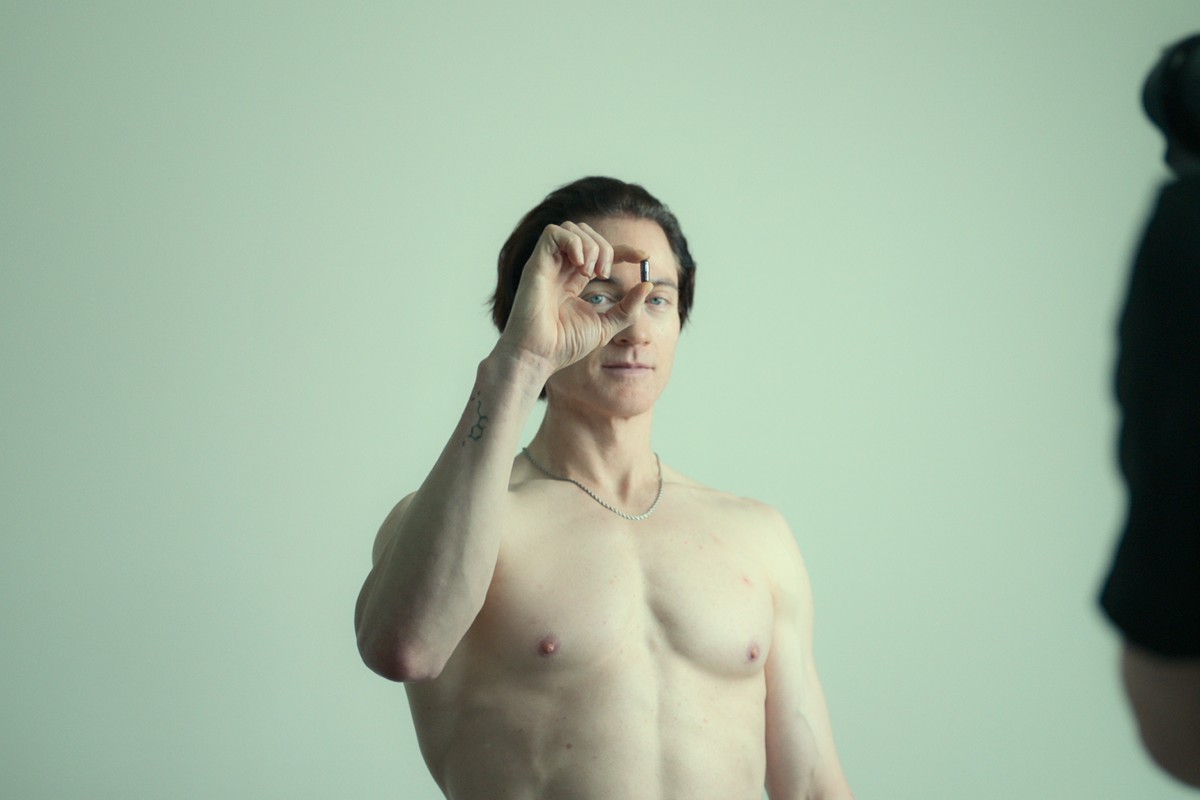
The man who treats his body like a public beta test for longevity has done it again. Or perhaps he hasn’t. Bryan Johnson claims to have “cloned” himself. Not a full-body doppelgänger stalking his McMansion in Silicon Valley. Just a clone of his younger self. A baby version.
But not in the Brave New World sense.
Johnson, the 48-year-old biohacker obsessed with defying mortality, posted a video to X showing what he calls a “baby-Bryan” in a petri dish. He says this allows him to grow organs, test novel therapies, and potentially reverse the aging process. It’s bold. It’s terrifying. It’s also scientifically grounded in a technology that isn’t actually new.
The core of this experiment relies on induced pluripotent stem cell technology. Johnson isolated cells from a blood sample, reprogrammed them, and turned them back into cells that act like embryonic stem cells. These iPSCs can differentiate into almost any cell type in the human body. The groundwork was laid decades ago by Shinya Yamanaka. Yamanaka won the Nobel Prize in Physiology or Medicine in 2102 for discovering how to revert adult cells to a pluripotent state. Johnson is just applying an old, established science to his own body.
Why does he need a petri-dish clone? Johnson was diagnosed last month with an incurable autoimmune disease. It’s a rare condition causing his immune system to attack healthy tissue in his stomach lining. Most doctors shrug. Johnson plans to fight back.
“This clone, I can become my own donor,” Johnson explained. He wants to grow new organs for transplantation without the risk of rejection. He wants to inject young cells into his aging body. He wants to use artificial intelligence and multiomics to map every biological pathway. The goal is simple: no condition is incurable if you can test the cure on a version of yourself that won’t die when things go wrong.
“It’s scary to some people,” he wrote on social media. “A dystopian future.”
To others, it’s just the inevitable future of healthcare.
Critics aren’t buying the hero narrative. Some followers called the project a symptom of wealth-induced madness. “Bryan Johnson is what happens when too much money meets a morbid fear of death,” one commenter noted. It’s a harsh take. Johnson doesn’t shy away from the eccentricity. He’s spent millions turning his lifestyle into a rigorous protocol—eating precise nutrients, sleeping in climate-controlled chambers, and measuring every metric of his biology. He claims these experiments advance medical discovery. The public remains skeptical.
The distinction here matters. Johnson isn’t creating a human. He’s creating a biological sandbox. iPSC technology is real. The ability to grow tissues from a patient’s own cells is real. The leap from lab dish to transplantable organ is still a hurdle. But the path is clearer now.
Johnson sees his autoimmune diagnosis not as a defeat. He called it one of the best things to happen to him in a long time. It opened a frontier. He is trying to solve his own illness by becoming both the doctor and the experiment.
Is this the start of a new medical era? Or just a rich man’s vanity project played out in front of a global audience?
The science supports the possibility of personalized organ regeneration. The ethics are a mess. The execution is untested. But the clone in the dish is growing. And Johnson is watching closely.