Nobody seems able to escape it right now. The Dubai chocolate hype. It started on TikTok and bled straight into supermarkets, Christmas markets, and your local bakery. It is everywhere. But where did this obsession actually come from? Why is everyone eating it? And who is really behind the bars of this viral sensation?
The story begins almost exactly a year ago. TikTok food influencer Maria Vehera posted a video that would change snack trends forever. She sat in her car. She held up a shopping bag with a bright grin. Inside were three bars from Fix Dessert Chocolatier, a Dubai-based brand. She ate them all, one after another.
The first one she showed had a green filling. Pistachio cream. When she bit into it, you could hear the crunch. That specific sound? It was audio gold. The video has now hit nearly 106 million views. It didn’t just get likes. It triggered a global mania for what we now call Dubai chocolate.
What Actually Is Dubai Chocolate?
If you are wondering how to identify the real deal, look at the texture. It is not just a fancy truffle. According to Bianca Müller from the SRH Fernhochschule, this is a filled milk chocolate bar. The magic lies in the interior layers.
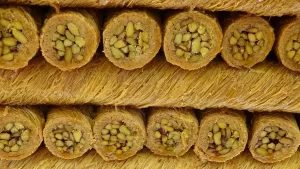
The filling is a mix of pistachio cream, toasted pastry threads known as kadayif, and tahini (sesame paste). The kadayif is the key. These thin dough strings are chopped into bits and fried in vegetable oil. They become crispy. They provide that signature crunch that makes the texture so addictive.
When the hype first exploded, people in Dubai were buying up the bars by the case. The rest of the world couldn’t get their hands on the official product from Fix Dessert Chocolatier. So, they made it themselves. Home cooks bought out the supply of pistachio cream and kadayif in local shops. Some supermarkets ran out of ingredients for weeks.
Is It Actually Available Now?
Yes. If you are wondering where to buy Dubai chocolate in Germany today, the answer is: almost anywhere. But you might have to hurry.
Rewe spokesperson Annika Müller told Berlin Live that they are currently stocking more than double the amount of the product compared to last year. Production has ramped up. Supply chain issues have largely eased. If you cannot find it in your local Rewe market, it is not because the shelves are empty due to manufacturing delays. It is because customers are grabbing it as fast as it hits the floor.
The trend has mutated. You will see “Dubai-style” ingredients everywhere now. It is not just about the chocolate bar anymore. Christmas markets are covering everything in the trend. Quark balls. Crêpes. Baumstriezel. Roasted almonds. Even bananas. I have seen Bratwurst with pistachio in the meat. The crunchy, green, tahini-swirled aesthetic has taken over the food scene.
It feels chaotic. It tastes indulgent. And it is not going away soon.
The viral mechanics behind Dubai chocolate’s success
The appeal of Dubai chocolate isn’t just about sugar. It’s about texture. Bianca Müller points out that curiosity drives the initial sale, but the filling keeps people coming back. The consistency triggers multiple sensory responses at once. Eating it becomes an event rather than a simple snack. This complexity delays satiety. You feel full later because your brain is busy processing the crunch and the cream.
But taste alone doesn’t create a global shortage. Marketing does. Thomas Bippes from SRH Fernhochschule breaks down the strategy. The city of Dubai carries a specific weight. It symbolizes luxury. Products linked to it inherit that prestige immediately. Brands don’t just sell chocolate. They sell a lifestyle associated with wealth.
Social media campaigns amplify this narrative. Influencers play a starring role. They position the product as exclusive. Limited editions create artificial scarcity. When supply is low, desire spikes. The packaging reinforces this image. It looks expensive. It feels special.
The infrastructure supporting this hype is already in place. Dubai has an active network of influencers who can push products to millions. The content marketing strategy targets every angle. It’s not random luck. It’s a calculated move using established channels.

The algorithm behind the appetite
The story of Dubai Chocolate isn’t just about candy. It’s about Sarah Hamouda, a 38-year-old entrepreneur who realized her pregnancy cravings couldn’t be satisfied by store-bought options. So she started mixing ingredients in her own kitchen. That decision birthed Fix Dessert Chocolatier.
Before the global frenzy, the setup was humble. Just her and her husband. Now? A ten-person team working out of a rented commercial kitchen. The operation is tight. Efficient. Daily production caps at 500 bars.
They don’t even need a storefront.
Sales open at 5 PM via delivery services. That’s it. The inventory vanishes in minutes. Every single day.
Social media didn’t just promote this product. It manufactured the demand for it.
Why does this matter to you? Because it proves how quickly digital trends translate into physical scarcity. You scroll. You see a texture you’ve never tried before. Crunchy kunafa. Salty pistachio butter. The algorithm pushes it. The hype explodes.
Is this sustainable? Nobody knows. The hype cycle for food trends is notoriously short-lived. But one thing is clear. Fix Dessert Chocolatier didn’t just sell chocolate. They sold a viral moment. And in the current digital economy, that’s the most valuable ingredient of all.
We’ll see if the shelf life lasts longer than the feed.